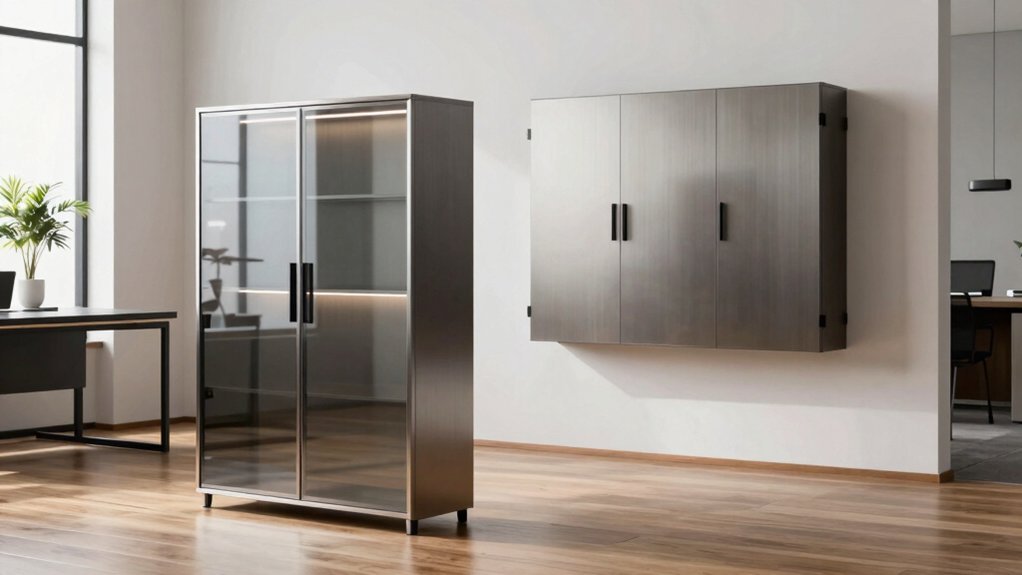
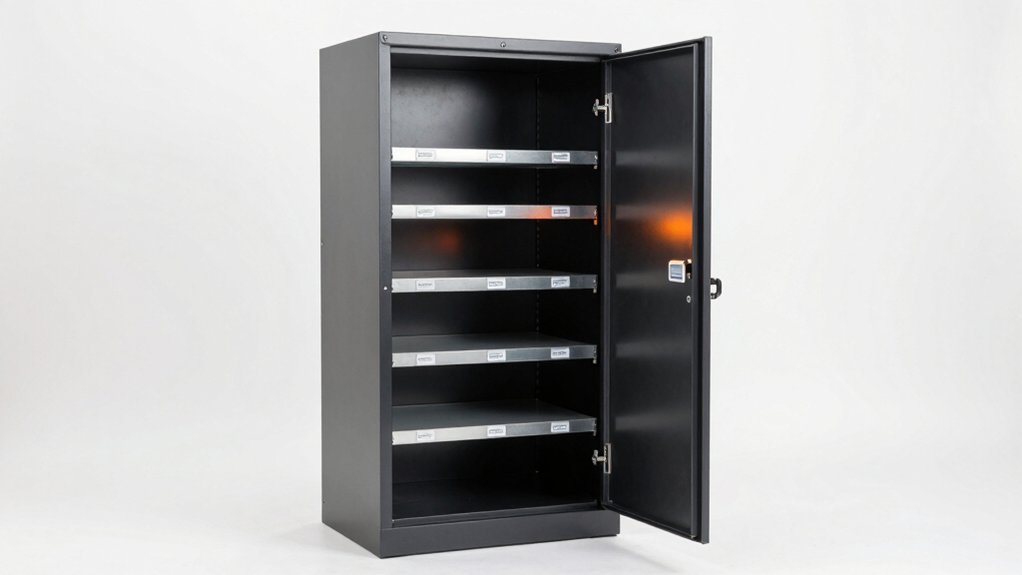
You’re governed by the FDA, DEA, OSHA, The Joint Commission, and AORN/ISO, each setting specific rules for medical storage cabinets. The FDA controls temperature, labeling, and safety standards for device classes; the DEA mandates lockable, permanently affixed units for controlled substances. OSHA requires fire‑resistant construction and proper labeling, while The Joint Commission enforces evidence‑based storage practices, ventilation, and audit training. AORN/ISO defines temperature, humidity, positive pressure, and airflow for sterile storage. Follow these guidelines and you’ll meet every regulation—plus more details await.
Who Actually Sets the Rules for Medical Storage Cabinets?
Although the regulatory landscape looks complex, you’ll find that three primary bodies set the rules for medical storage cabinets: the FDA, the DEA, and accreditation organizations such as The Joint Commission. You must align cabinet design with FDA temperature and labeling controls for Class II devices and guarantee Class III implants meet the highest safety standards. The DEA dictates lockable, permanently affixed cabinets for Schedule I‑II substances and requires a separate, non‑wheel‑based unit for Schedule III‑V, limiting each Controlled Substance Unit Area to a single location. The Joint Commission enforces evidence‑based storage practices, NFPA 99 ventilation compliance, and periodic audit‑training. Conduct a thorough risk assessment to document access controls, inventory checks, and expiration tracking, satisfying all three regulators’ documentation demands. Proper temperature monitoring is essential for maintaining drug efficacy and compliance with FDA standards. Additionally, implementing a real‑time inventory system can further enhance compliance and reduce waste. Selecting the appropriate cabinet size also helps maximize space efficiency and storage optimization.
OSHA Requirements for Medical Storage Cabinet Flammable & Hazardous Materials
When you store flammable or hazardous materials in a medical setting, OSHA mandates that the cabinets meet strict construction, fire‑resistance, capacity, labeling, and placement standards. Use cabinets built of at least No. 18 ga. steel or double‑walled metal with a 1.5‑inch air gap; wood units must be 1‑inch exterior plywood with rabbeted, two‑direction fasteners. Guarantee each cabinet passes the 10‑minute fire test, keeping internal temperature ≤ 325°F, and carries a UL 1275 or FM Class #6050 rating. Limit storage to 60 gal for Categories 1‑3, 120 gal for Category 4, and never exceed 120 gal total. Label doors clearly with “Flammable – Keep Fire Away.” Place cabinets away from ignition sources, install self‑closing doors, and ground when dispensing. Conduct regular inspections, enforce safety training, and maintain spill containment measures to prevent leaks and accidental exposure. Proper ventilation is also required to disperse vapors and reduce fire risk. Selecting the appropriate fire‑rating duration, such as a 30‑minute rating, ensures compliance with UL 1275 standards. A well‑organized workspace can reduce assembly time by up to 30 % efficiency boost.

Storage Space: With 3-tier shelves, this locking medicine cabinet is suitable for medical supplies, prescription drugs, and similar products. There are storage shelves on the back of the door for prescription documents and other thin items
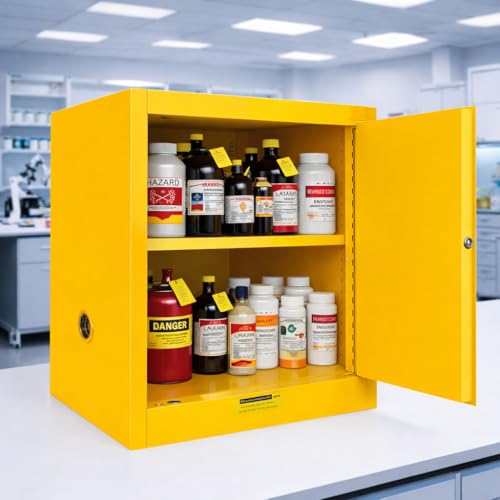
🔒【FIREPROOF STRUCTURE】The flammable cabinet is made of 2mm double-layer cold-rolled steel plate, and the interior is filled with special fireproof material with good fireproof performance.
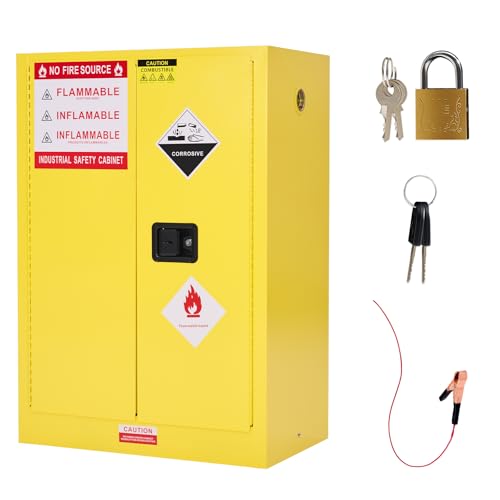
Chemical Storage: 44x31x18 in, 45 gal. Flammable safety cabinet is deal for storing flammable, explosive, and combustible liquid chemicals, ensuring safe management in laboratories and industrial environments
Joint Commission Standards for Medical Storage Cabinet Medication & Sterile Use
After meeting OSHA’s fire‑resistance and labeling requirements for flammable and hazardous materials, the Joint Commission shifts focus to how medical storage cabinets safeguard medications and sterile supplies. You must store meds in secure, locked areas, limiting access to authorized staff and documenting audits, discrepancies, and diversion monitoring per MM.03.01.01. Surveyors will inspect doors, lock mechanisms, and needle security, noting any EP violations—13 % of hospitals were cited for storage, 12 % for labeling, and 10 % for expired drugs in 2020‑21. For Sterile Storage, keep instruments in clean, ventilated zones, adhering to manufacturer temperature and humidity limits, and verify packaging integrity. Maintain written policies covering receipt through administration, and be ready to demonstrate monitoring logs and out‑of‑range responses during surveys.

LOCKABLE MEDICATION STORAGE: Features a key lock system designed to help restrict unauthorized access to prescriptions, vitamins, supplements, first aid supplies, and personal healthcare items.
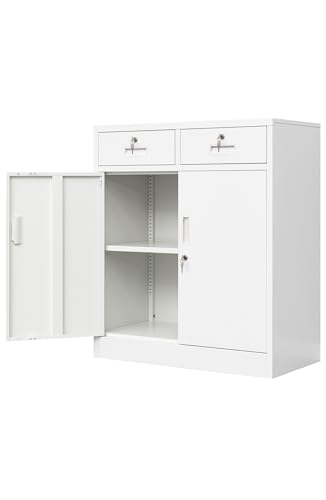
LOCKING CABINET: Metal storage cabinet with locking doors protect private items secure. There are three locks and each lock is equipped with 2 keys to ensure safety.
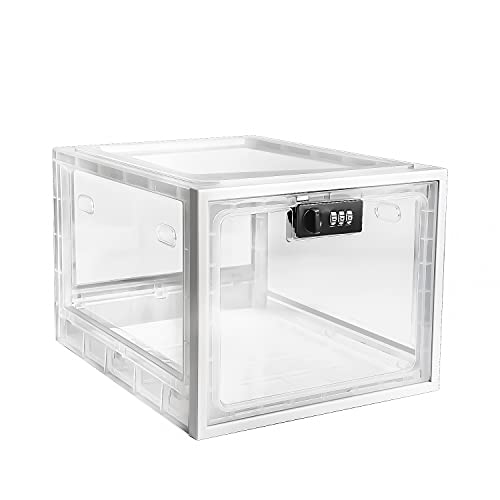
Large Medicine Safe lock box - Our lockable storage bin is the perfect storage prescription medicines and drugs, Perfect for storing basic first aid supplies,like bandages, pill case.It can be placed in the bathroom as medicine cabinet,safety lock box with combination lock
FDA Rules for Medical Storage Cabinet Device‑Class Devices
If you’re classifying a medical storage cabinet, the FDA determines its device class—I, II, or III—based on intended use and risk under FD&C Act §513, and the classification dictates the specific pre‑market and post‑market requirements you must meet. For Class I, you’ll rely on general controls and typically enjoy exemption from 510(k) filing, but you still need establishment registration, listing, and Quality System Regulation compliance. Class II cabinets require a 510(k) unless exempt, so you must submit special‑control documentation and demonstrate conformity with 21 CFR 820. Class III units demand Premarket Approval, including clinical data, and rigorous post‑market surveillance. Throughout, maintain meticulous Documentation compliance, recordkeeping, labeling, and MDR reporting to satisfy regulatory classification mandates. The industry is also seeing a rise in modular designs that enhance flexibility and space efficiency. Selecting the appropriate material, such as fire‑resistant metal, can further influence compliance with safety standards and durability expectations. Properly evaluating noise reduction features can also improve user experience in clinical settings.

Simple design-Suitable for variety home decoration styles/scheme.UNIQUE edge and corner processing technology ROUND and SMOOTH.To avoid scratch people.INVISIBLE door handle,convenient,simple design and good-look.Fit office or home.

『Easy Store and Save Space』:Storage cabinet measurement 16"D x 32"W x 71"H oversized storage space is convenient for storing various office and household items making your room clean and tidy.
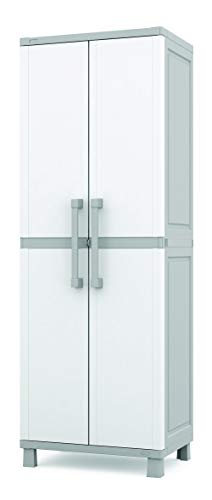
DIMENSIONS: 25.5"D x 19.6"W x 72.6"H
DEA Security Standards for Medical Storage Cabinet Controlled‑Substance Units
Because the DEA mandates strict security for controlled‑substance storage, you must match each drug’s schedule to the appropriate cabinet or vault construction and detection features. For Schedule I‑II you need a TL‑15 or TL‑30 rated vault, steel walls, floors and ceilings with eight‑inch reinforced concrete and 1.5‑inch steel rods, and doors that resist 30 man‑minutes of covert entry and 10 man‑minutes of forced entry. Schedule III‑V can use a steel cabinet with a half‑inch plate, multiple‑position combination lock, relocking device, and bolted anchorage; the cabinet must be double‑locked with separate keys. All vaults and cabinets must include contact switches and an approved detection system—electrical lacing, ultrasonic, or sound‑accumulator. Verify every unit meets DEA compliance and follows the specified Vault design standards. Properly securing cabinets also helps prevent theft and ensures compliance with safety regulations. Installing a tamper‑proof screw further deters unauthorized removal of hardware. UL testing ensures the cabinets meet recognized fire‑resistance criteria.
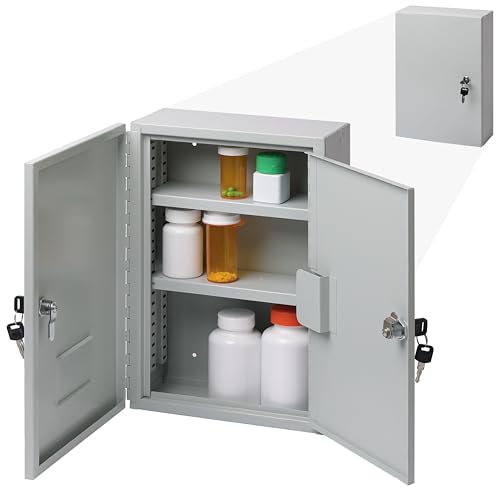
SECURITY & COMPLIANCE - Designed to safely store and control access to prescription drugs, narcotics and other controlled substances. Reinforced double-steel doors with heavy-duty piano hinges and a dual–unique key locking system provide enhanced protection against unauthorized access, helping support regulatory compliance.

Secure Locking Medicine Cabinet with Key Lock: Keep sensitive medications, supplements, and small medical supplies safely out of reach of children or unauthorized individuals with our medical lock box, providing you full control over access

SECURITY & COMPLIANCE – Designed to safely store and control access to prescription drugs, narcotics and other controlled substances. Reinforced double-steel doors with heavy-duty piano hinges and a dual–unique key locking system provide enhanced protection against unauthorized access, helping support regulatory compliance.
AORN/ISO Temperature & Airflow Rules for Sterile Medical Storage Cabinets
Maintaining the required temperature, humidity, and airflow in sterile medical storage cabinets is essential for compliance with AORN and ISO standards, and you’ll need to keep the environment between 72 °F and 78 °F (22 °C–26 °C) with relative humidity not exceeding 60 %, while guaranteeing positive pressure and at least four air changes per hour to protect sterile supplies from contamination. Your temperature control must stay within the 72‑78 °F band, and for mixed sterile/ non‑sterile storage the upper limit drops to 75 °F. Follow manufacturer specifications for any specialized needs. Humidity control must stay at or below 60 % RH, referencing ASHRAE guidelines to prevent package degradation. Positive pressure airflow is mandatory; achieve a minimum of four air changes per hour, with at least two exchanges of outside air hourly. Guarantee adequate circulation around racks, avoid shelving under sinks, and keep cabinets closed or covered to maintain compliance. Properly sealed doors prevent air infiltration and preserve the controlled environment. Regular dust removal helps maintain sensor accuracy and prevents buildup that could affect temperature regulation.
How to Double‑Check Your Cabinet Meets Every Regulation
When you verify a medical storage cabinet, start by cross‑checking every regulatory requirement—OSHA labeling, FDA/DEA lock controls, Joint Commission cleanliness, CLIA/CAP temperature logs, and ISO/ISO‑13485 documentation—against the cabinet’s current configuration, ensuring that hazardous‑material signs, flammable‑liquid limits, biohazard waste segregation, and controlled‑substance access logs are all present, up‑to‑date, and match the prescribed standards. Next, review cabinet ergonomics: confirm that shelf heights, door clearances, and handle placements allow safe, efficient retrieval without compromising labeling or lock mechanisms. Confirm vendor accreditation by checking certificates and audit reports; only accredited suppliers may provide compliant locks, seals, and temperature‑monitoring devices. Finally, run a mock inventory audit, verify FIFO rotation, and document any discrepancies before the next official inspection. A thorough assessment also includes evaluating security level to ensure the cabinet meets the required protection for the stored items. Additionally, verify that the cabinet’s interior dimensions can accommodate any required ventilation clearance to prevent overheating. Before opening the lock, always ensure the area is clear of by items and that you have proper protective gloves to avoid injury.

High Quality Material: The multi functional cabinet and countertop are made of high-gloss acrylic, with smooth and safer edges, better abrasion resistance, non-stick oil and dirt easy to clean. The handle is made of stainless steel material and is sturdy to use.

Secure Locking System: Dual-key security ensures only authorized access to your medications and valuables. Made from robust, pry-resistant steel to provide reliable protection against tampering and unauthorized entry, giving you complete peace of mind for your household safety.

Safe and reliable locking design: This stainless steel medicine cabinet features a reliable locking mechanism that ensures your medications and valuables are stored safely and protected from children or unauthorized access. Perfect for homes, offices or clinics that need a secure storage solution.