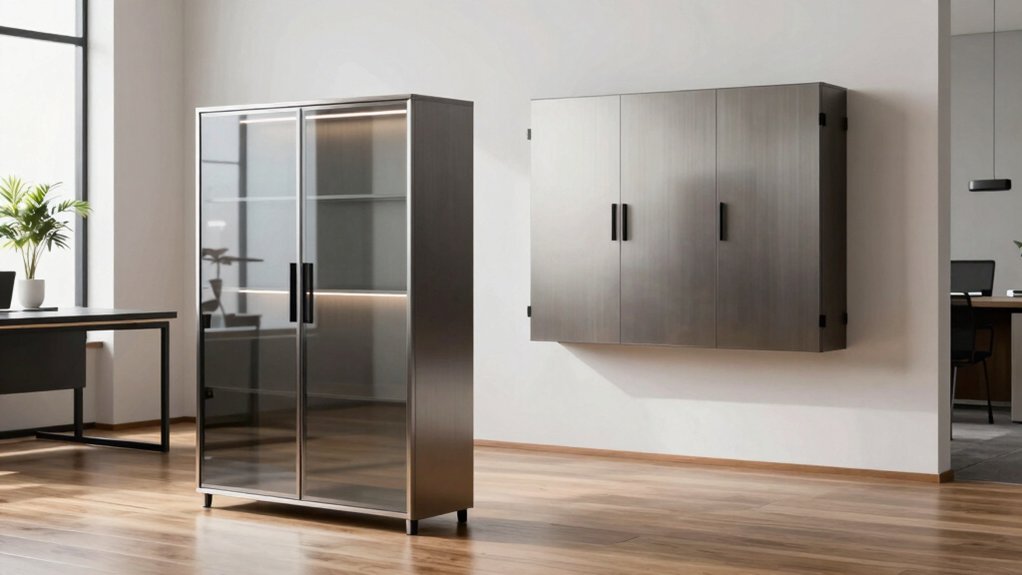
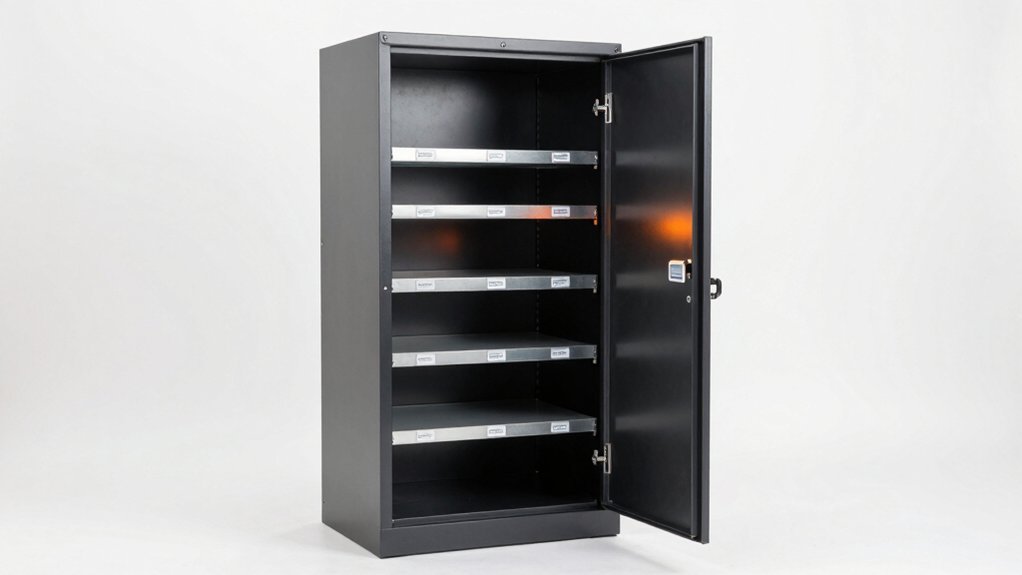
You can turn any kitchen, garage, or loft into a flexible, load‑bearing showcase by installing adjustable shelf storage cabinets that let you reconfigure vertical space in seconds. Use 1.25‑inch incremental heights, corrosion‑resistant steel or hardwood plywood frames, and powder‑coated finishes for durability and style. Customize upper cabinets for glassware, add caster bases for mobility, and keep heavy items on lower, sturdy levels. Adjust shelf heights quarterly for seasonal shifts and uncover even more efficiency tricks ahead.
What Adjustable Shelves Are and Why They Matter in the Kitchen
How can a kitchen stay organized when your cookware keeps changing size? You’ll find that adjustable shelves are the secret to seamless design aesthetics and space optimization. These movable platforms sit on pre‑drilled holes or brackets, letting you reposition pegs in fine intervals. By shifting a shelf up or down, you create just enough vertical clearance for tall pots, slim dishes, or pantry jars, keeping everything within easy reach. The system supports wood, steel, glass, or plastic planes that can hold 150‑600 lb, so durability matches style. You reconfigure cabinets on the fly without sacrificing stability, future‑proofing storage as your culinary collection evolves. The result is a kitchen that feels curated, functional, and effortlessly organized. Material durability also influences long‑term performance and resistance to moisture. Incorporating uniform containers helps maintain consistent dimensions across the cabinet, further enhancing space efficiency. Adjustable shelves also enable customizable spacing that maximizes space efficiency and reduces the need for multiple specialized cabinets.
Install Pull‑Out Shelves in Base Cabinets – Step‑by‑Step
When you’re ready to turn a static base cabinet into a smooth‑gliding storage hub, start by measuring the interior, gathering the right tools, and clearing out the old fixed shelf. Measure accurately, note whether the cabinet is frameless or face‑frame, and choose sturdy plywood and 1×3 lumber for material selection. Cut the bottom panel and side stiles, clamp them flush, then drill pilot holes every 8‑10 inches and secure with glue and 1⅝‑in. screws. Attach the back piece, then build the drawer front with counterbore holes for seamless assembly. Install the slides—press the black strip, position them level, and shim if needed. Align the drawer, push it home, test the glide, and adjust height with notched cleats. Your installation tips guarantee a sleek, functional pull‑out shelf. Use the pre‑assembled roll‑out system for a faster, more reliable installation. Remember to verify that the drawer slide is rated for the intended load to avoid sagging. Check the flat‑pack packaging for any missing hardware before you begin.

Package Includes: This slide set includes 3 pairs (6 pieces) of durable plastic replacement drawer slides, complete with self-adhesive tape for easy installation. These adhesive sliders for cabinets transform storage bins into convenient sliding drawers, helping you create an organized space in your dresser, closet, or wardrobe.

【Heavy Load capacity up to 150 lb】 The drawer slides is made of high-density high-strength Q235 industrial grade cold rolled steel and industrial solid steel ball, which take 150,000 times push-pull tests without damage. The maximum load weight is 150 lb,which vary with the length of slides. REGUDA is committed to produce sturdy and durable drawer slides , the service life of the slide rail could be 30 years at least.
Customize Upper Cabinets With Adjustable Shelves for Glassware & Dishes
After you’ve mastered pull‑out shelves, turn your focus upward and transform standard upper cabinets into sleek, adjustable displays for glassware and dishes. Choose an 18.75″, 26.75″, or 36″ width and enjoy a 28.5″ interior height that keeps everything within reach. The 1.25″ incremental shelves let you space stemware, wine glasses, and plates perfectly, while full‑width panels eliminate dead zones. Pair thermally fused melamine boards with an aluminum composite shell in Glacier White for a resilient, moisture‑resistant finish. Install tempered glass doors to showcase collections, and add glassware lighting and cabinet lighting for a curated glow that highlights each piece. Adjust the brackets and rests to match your evolving needs, and let professional installers guarantee level, secure placement. Selecting a lock with high strength ensures the cabinets remain secure over time. Consider the impact of modular drawer configurations to further enhance customization options for both DIY projects and professional installations. For optimal durability, prioritize cabinets that feature enhanced material durability to withstand daily use.

IMPORTANT NOTICE:Our cabinet pull out shelves are not suitable for cabinets with lips.Before ordering,please measure your cabinet dimensions correctly using the method shown in the picture.If your cabinet has a lip,please choose from our other drawers options designed for cabinets with a lip available in the store

【Expandable Width】Tired of awkward, wasted gaps inside your cabinets? Our shallow depth pull out drawer is design with expandable width from 8.4 to 14.2 inch to fit different size of upper cabinet,this 2-tiers roll out shelves for short cabinets turns dead space into valuable storage.

2-Tier Mesh Sliding Drawers: The under sink organizer feature upgraded round rails with plastic pads for a smooth, quiet sliding experience—no metal-on-metal noise. Both upper and lower drawers slide out effortlessly, making it easy to access items stored deep in your lower cabinet
Maximize Vertical Space in Small Urban Kitchens With Adjustable Shelves
By turning walls into vertical storage corridors, you instantly free countertops and boost workflow in cramped urban kitchens. You create vertical zoning that lifts jars, cans, and spices to eye level, cutting bending and stretching. Adjustable shelves let you tailor each tier to the exact height of your items, eliminating dead space and turning every inch into usable storage. Floating units add a sleek, modern feel while built‑in rails keep things secure. Pair the shelves with clear containers for quick inventory checks, and add a few door hooks for extra capacity. This space zoning transforms narrow floor plans into organized, efficient work zones, letting you prep meals faster and keep the kitchen uncluttered. Adding a kitchen rail across the window provides additional overhead storage for pots and pans. Incorporating modular shelving can further adapt the layout as storage needs evolve. Proper ventilation in storage cabinets prevents mold and extends the lifespan of your kitchen goods. Efficient decluttering also ensures that only necessary items occupy the newly created vertical space.

WALL MOUNT RACK: 3 Tier rack with fixed shelves measuring 5 in. D x 18 in. W

ROCK-SOLID STRENGTH HOLDS 30+ LBS: Our over-the-door rack features a reinforced, thickened metal frame and sturdy connectors that easily hold 30+ lbs of glass bottles and cans without deformation—this over the door pantry organizer ensures long-lasting reliability. Two strong adhesive pads prevent door damage from shaking/collisions, while 2 anti-tip bars keep it steady even with large cans or wine bottles.

【JUST THE TICKET FOR BATHROOMS】Need a storage solution for shower gels, tissue paper, and shampoo bottles? Try this 3-tier bamboo rack! It will help organize your toiletries nicely while lending a fresh appeal to your bathroom
Organize Tall Tools & Sports Gear With Adjustable Shelves in Garage Cabinets
If you need to fit ladders, shovels, skis, or bats into a cramped garage, adjustable‑shelf cabinets turn vertical space into organized storage. You’ll set each shelf to a custom height, letting tall tools stand upright while sports gear slides onto lower levels. The modular design lets you shift shelves without tools, so you can re‑configure for a new bike rack or a set of golf clubs in minutes. By lifting long‑handled items off the floor, you free up room for a workbench and reduce clutter, creating a sleek garage organization system that feels intentional and efficient. Heavy‑duty steel shelves hold up to 100 lb per level, keeping your gear stable and accessible, while the aesthetic, curated layout makes the space look polished rather than chaotic. The system uses laminated 2×4s for a sturdy frame that resists tipping under front‑heavy loads. Proper space assessment ensures you choose cabinet dimensions that fit your garage’s unique layout. Selecting cabinets with a high load capacity helps prevent sagging and extends the lifespan of the storage solution. For garages with multiple zones, consider modular metal cabinets to seamlessly integrate tool organization and storage flexibility.

Dimensions & Size: Exterior measures 25 5/8" x 18 7/8" x 69 3/8", with interior shelf dimensions of 17.65" width x 13.31" depth, providing ample storage space for various items.
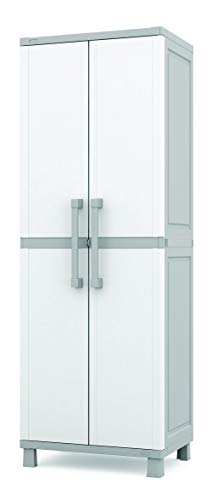
DIMENSIONS: 25.5"D x 19.6"W x 72.6"H

『HIGH QUALITY MATERIAL』:Whole-in-one reinforced heavy duty metal frame, load capacity up to 180lbs per shelf solid and strong.Environmental protection powder, scratch resistance and rust-resistance.Our metal storage cabinets are made of heavy gauge cold-rolled steel plate, sturdy and durable
Pick Durable Materials for Heavy‑Load Workshop Cabinets
When you choose a material for heavy‑load workshop cabinets, prioritize strength, corrosion resistance, and manufacturability. Opt for Q235 cold‑rolled steel, its industrial‑grade strength and minimal deformation make it ideal for tools that weigh a ton. Pair the steel frame with steel reinforcement and internal load‑bearing columns to keep flexing at bay. Finish the exterior with powder coating; this electrostatic layer shields against rust, scratches, and moisture while adding a sleek, uniform hue. If you need lighter weight, consider aluminum, but remember it offers slightly less rigidity under extreme loads. For wood‑based options, select hardwood plywood with a TFL surface treatment, ensuring moisture resistance without sacrificing load capacity. CNC turret punching, spot welding, and laser cutting guarantee precise, repeatable construction. The market’s shift toward modular design is driving demand for adaptable storage solutions. Understanding the load‑bearing capacity of each material helps match cabinet construction to specific workshop demands.

Space-saving Storage: Measuring 30.31 x 12.01 x 14.02 inch, this metal wall cabinet maximizes wall space to store tools and supplies. Each shelf holds up to 120 lbs, keeping your space neat and clutter-free

Premium 21-gauge powder-coated steel construction provides maximum durability
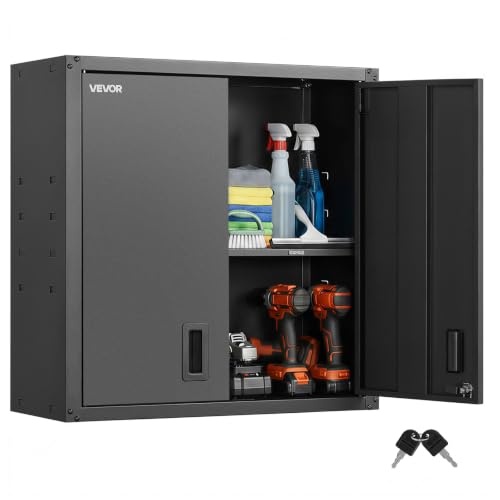
Space-saving Storage: This 30 x 12.2 x 30 inch metal wall cabinet makes the most of wall space, holding up to 120 lbs per shelf. Four adjustable levels let you store tools and supplies of different heights with ease
Maintain Stability & Longevity of Adjustable Shelf Systems
Choosing the right material—whether cold‑rolled Q235 steel, aluminum, or treated hardwood plywood—sets the foundation, but the true test of an adjustable shelf system lies in how well you keep it stable and durable over time. Conduct monthly visual checks in high‑traffic zones, tightening loose bolts and cleaning debris to ward off corrosion. Lubricate sliding components and swap worn nuts, bolts, or connectors instantly. Distribute weight evenly, load from the bottom up, and keep heavy items off top shelves to maintain a low center of gravity. Anchor the unit to the floor, add cross or diagonal braces, and secure shelves to wall studs for added rigidity. Use steel angle bars for load reinforcement and follow a disciplined maintenance schedule for lifespan optimization. For maximum safety, locate wall studs before drilling to ensure proper anchoring. Consider traffic flow when deciding swing direction to avoid obstructing pathways. A typical storage cabinet can be assembled in 30 minutes when using a power drill and an organized workspace.
Add Mobility to Adjustable Shelves With Caster Bases
By attaching the right casters, you turn a static shelving unit into a mobile workstation that slides effortlessly across warehouses, offices, or homes. Choose 4‑inch industrial rubber casters for Amazon Basics, or threaded stem casters for wire shelving, each rated up to 300 lb per caster. Locking swivel casters with brakes lock caster units in place, while adjustable‑height swivel casters give you ergonomic access at any level. Non‑marking rubber or polyurethane wheels provide floor protection and smooth caster. Even load distribution across the four casters lets you move up to 441 lb in motion without compromising stability. Installation is tool‑free: pop the plastic insert, push the stem casters flush, and you’re ready for curated mobility that blends function with sleek design. Ensure arrows point upward for proper orientation during assembly. Properly aligning the caster brackets with the pilot holes ensures a secure fit and prevents wobble.
Adjust Shelf Heights for Seasonal Inventory Changes
If you re‑evaluate shelf heights each quarter or after a seasonal shift, you’ll keep your displays fresh and your inventory accessible. You’ll notice that a 1.25‑inch increment lets you fine‑tune the layout for seasonal inventory without tools, preserving a sleek, curated look. By raising shelves for towering winter coats or lowering them for high‑turnover summer sandals, you achieve height optimization that aligns with consumer psychology and visual‑merchandising standards. In grocery aisles, place bulk holiday goods on lower, sturdy levels to boost visibility, while tucking low‑demand items higher up. The corrosion‑resistant finish stays pristine in humid warehouses, and the 800‑lb capacity handles heavy seasonal loads, ensuring your space remains both aesthetic and functional.
How Adjustable Shelves Boost Kitchen Efficiency (Recap & Quick Wins)
When you re‑configure your kitchen cabinets, the difference is immediate: adjustable shelves turn every inch of space into a purposeful zone, letting you store tall pots, shallow pans, and pantry jars without wasted gaps. You’ll notice quick access to the tools you need most, because each shelf can be set to the exact height of your frequently used items, eliminating the habit of digging through a cluttered stack. A simple pull‑out shelf gives full visibility to the back of the cabinet, so you spend less time searching and more time cooking. By creating a curated list of zones—prep, baking, pantry—you streamline workflow, reduce energy‑waste, and keep the space tidy with minimal effort. This adaptable system evolves with your menu, letting you re‑height shelves tool‑free whenever new cookware arrives.