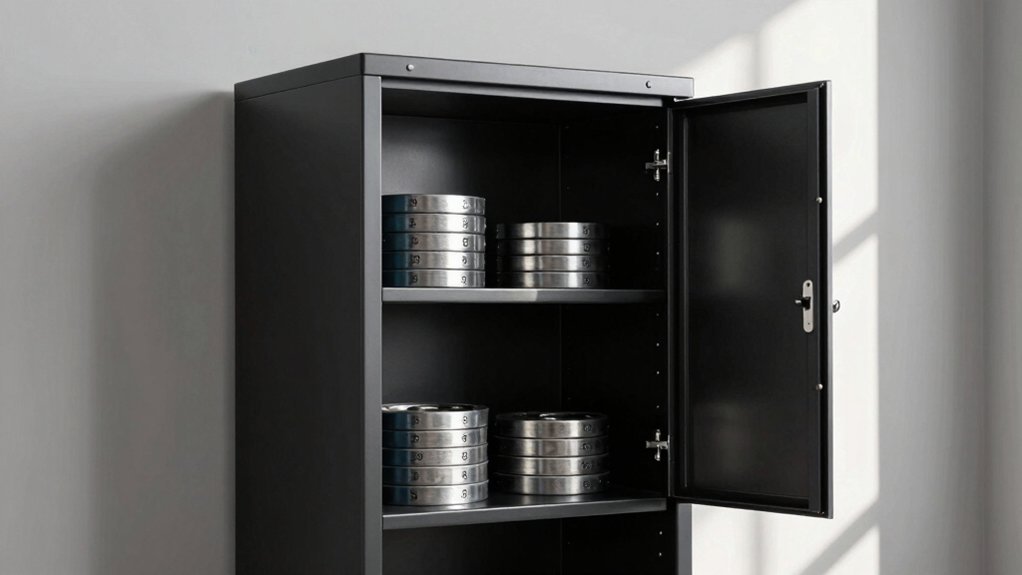
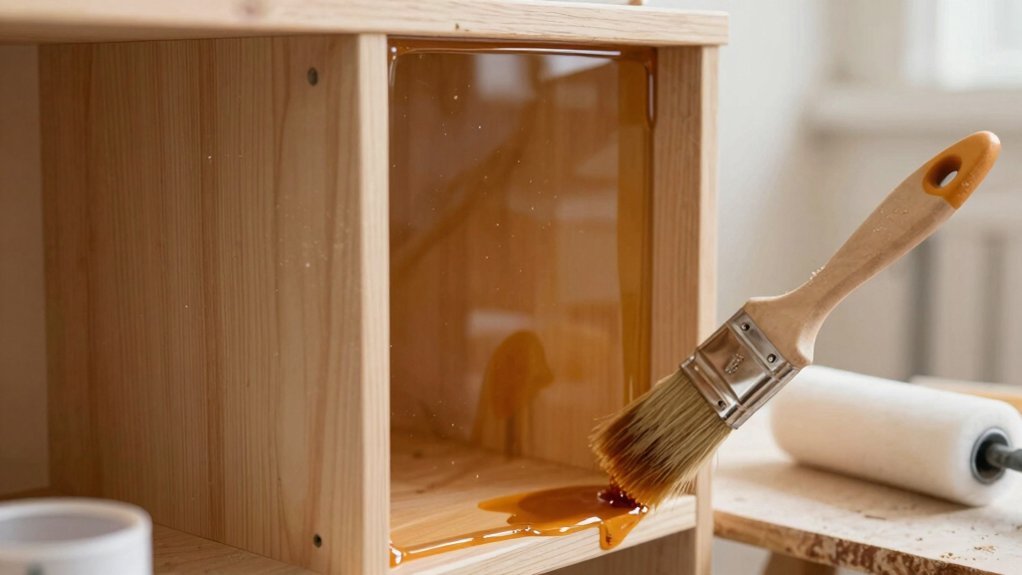
Place the cabinet against the longest wall that isn’t directly behind the bed, keeping a 36‑inch clearance for easy circulation. Align it with nightstands or a desk to maintain visual flow, and avoid blocking windows or door sightlines. Make sure the piece sits on a level surface and consider a low‑profile design if the room feels cramped. This positioning balances aesthetics and function, and the next steps will show you how to integrate it with other storage solutions.
Assess Your Bedroom Layout for Optimal Bed Placement
When you step into your bedroom, the first thing you should gauge is how the room’s dimensions and shape dictate where the bed will feel most balanced and functional. Conduct a sym flow assessment: note the longest wall, door sightlines, and any windows that could cause drafts. In a small 10′×11′ space, slide a full- or queen‑size bed against that wall, keeping a 30″ clearance from side walls and a 36″ central path for circulation optimization. In square rooms, place the bed opposite the door with nightstands for symmetry; in long narrow rooms, set it on the short wall to avoid a “bowling‑alley” feel. Guarantee equal side access, avoid high‑traffic zones, and keep the bed away from windows to preserve light and temperature stability. Primary suite with a fireplace focus can also benefit from centering the bed on the fireplace wall, ensuring equal space on each side for balance. Consider the cabinet’s load capacity to ensure it safely supports your storage needs. Choose a cabinet depth that matches the standard depth range of 12‑18 inches to maximize usable space without crowding the room. Incorporate uniform containers to streamline organization and improve visual cohesion.
Choose the Best Foot‑of‑Bed Storage Bench or Ottoman
After you’ve settled on the optimal bed placement, the next step is picking a foot‑of‑bed storage bench or ottoman that complements both the size of your bed and the room’s flow. For a king‑size bed, choose a wider bench—around 60‑70 inches—to maintain visual balance, while a queen works well with a 50‑inch piece and a twin with a slim, 30‑inch profile. Keep seat height at 18‑20 inches for easy sit‑and‑stand, and consider low‑profile designs if ceiling height is limited. Prioritize material durability: leather or faux leather clean quickly, while velvet, boucle, and chenille add cozy texture but need careful care. Match the bench placement to existing décor, using neutral tones for flexibility or bold hues for a statement, and ensure the base—wood or metal—supports at least 300 pounds. A well‑chosen piece can also enhance overall room organization by providing extra storage for linens and accessories, especially when it features adjustable shelves for customizable space. Selecting a bench with a solid wood frame further guarantees long‑term stability and aligns with the durable materials highlighted in top dining room cabinet reviews. Consider the glass door durability of comparable storage solutions to gauge long‑term wear.
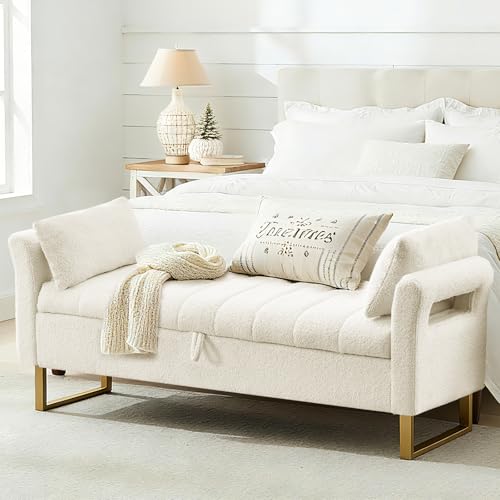
PLUS STORAGE SPACE: Are you still troubled by limited storage space at home? This storage bench end of bed king will help you keep your bedroom clutter-free with ease

KING SIZE STORAGE BENCH: This king size storage ottoman bench is designed to fit perfectly at the foot of king size beds, with a large hidden compartment and convenient side pockets for storing blankets, pillows, books, and small essentials. As a spacious end of bed storage bench, it keeps your bedroom organized while keeping frequently used items within easy reach, and the slow-close hinge ensures safe, pinch-free use.

【 King Size Storage 】This 67 inch end of bed storage bench designed for king-size beds. Provides an extra place to hide the mess, stylish and functional. You can put books, clothes, blankets and small pillows, etc to keep the room clean and tidy. The extra large storage space of our velvet bedroom bench will make you fall in love.
Select Under‑Bed Drawers That Maximize Floor Space
If you want to keep your bedroom airy while still tucking away linens, shoes, and seasonal items, choose under‑bed drawers that fit snugly and slide effortlessly. Opt for a wheeled cart with gliders; the Brightroom 3‑Drawer design in either wide or narrow dimensions slides out smoothly and lets you see contents through its clear plastic. Pair it with modular bins for items—stackable, color‑coded crates that slot into each drawer’s built‑in compartments. Add bed risers if you need extra clearance; a Twin XL with 30″ clearance plus risers yields 53 cu ft of usable space. For a custom feel, repurpose dresser drawers on a sturdy platform, then secure two units back‑to‑back with zip ties for double‑sided access. This combination maximizes floor space while keeping the room sleek and organized. The drawer slides were precisely measured and aligned to ensure smooth operation. Consider the load capacity of the cabinet to ensure it can support the weight of stored items. Install child‑proof locks on any cabinet doors to prevent curious toddlers from accessing stored items. Proper anchoring can also prevent tip‑overs and enhance overall stability.

DIMENSIONS: Outer: 23.75"L x 17.81"W x 6"H. Inner: 21"L x 14.6"W x 4.12"H. Measure your space before use.

Hold Up to 66lbs: Yecaye under bed storage with wheels is made of high quality 300D PU fabric and sturdy metal frame, can hold up to 66 lbs, stronger than other fragile metal mesh, spacious capacity perfect for storing clothes, toys, books, shoes and other heavy items also won't compromise stability and durability

【Say Goodbye to Cluttered Space】– Tired of cluttered closets and wasted space? Our under bed storage containers measure 30" L x 16.2" W x 7.5" H, effortlessly turn unused under-bed areas into smart storage zones—perfect for apartments, dorms and living spaces where every square foot counts.
Install Vertical Shelving and Wall‑Mounted Bookcases
Sliding your under‑bed drawers into place frees up floor space, and the next step is to turn the walls into vertical storage. Install head‑mounted shelving above the headboard to capture unused wall area; sleek, open shelves keep the room airy while holding books, décor, and folded garments. Choose mounted bookcases that hug the wall, creating a seamless façade that doubles as a visual divider at the foot of the bed. Opt for lightweight, rental‑friendly brackets to avoid permanent holes, and add a curtain panel if you need a cleaner look. By stacking items upward, you achieve space optimization without sacrificing style, and the vertical units integrate smoothly with loft‑bed setups for bedside convenience. Metal cabinets with powder‑coated finishes provide extra durability for any wall‑mounted installations. Selecting the proper hinge type, such as a full overlay hinge, ensures the doors sit flush and operate smoothly. Implementing floor‑area reduction further maximizes usable space and enhances the room’s overall aesthetic.

Centerpiece of Room Decoration - These shelves boast a distinctive design and an elegant shape, making them a focal point that elevates the style of any room. Ideal for the living room, bedroom, study, bathroom, laundry room, children's room, or office, they reflect the owner's sophisticated taste and blend seamlessly with various decor themes.

𝐌𝐨𝐝𝐞𝐫𝐧 & 𝐌𝐢𝐧𝐢𝐦𝐚𝐥𝐢𝐬𝐭 𝐒𝐭𝐲𝐥𝐞 - Featuring clean lines and a rustic brown finish, these wall-mounted shelves bring warm farmhouse charm and modern style to any space. Perfect as shelves for room decoration, book shelves display, and rustic farmhouse wall decor — they elevate your bathroom wall art vibe, bedroom aesthetic, living room style, kitchen organization, office setup, and laundry room storage all in one versatile design

Storage & Decoration Solution: Corner shelves for wall fit into the corner and increase storage space. The modern wall shelf complements any decorating style, providing a display space where you can decorate the room with whatever you like while making more space
Add Over‑The‑Door Organizers for Shoes and Accessories
When you hang an over‑the‑door organizer, you instantly turn the unused vertical surface of a bedroom or closet door into a sleek, high‑capacity storage zone for shoes and accessories. The high‑gauge steel frame holds six shoe racks, each cradling two pairs, while the 24‑pocket organizer tucks up to 40 lb of sandals, boots, or handbags. Adjustable door hook brackets lock securely, and the patented locking system prevents wobble. Soft cotton‑polyester mesh pockets resist wear, and thick stitching on the non‑woven fabric stops tears. At 16.5 × 9.8 × 71 inches, it fits narrow doors without consuming floor space, keeping daily footwear within fingertips and freeing your room for a cleaner, more functional aesthetic. This solution provides extra space without drilling holes, making it a versatile addition to any bedroom. The design also incorporates adjustable shelving for customizable organization. Choosing a lock with a tamper‑resistant design ensures the organizer stays secure even with curious children nearby.

【Larger Storage Capacity & 42% Wider Design】 This 10-tier over-the-door shoe organizer holds 20-30 pairs of shoes, making it the ultimate space-saver for the whole family. Measuring 73"H x 22.5"W x 10"D, it’ s wider than 99% of door shoe racks, offering 42% more storage capacity. Easily stores up to 20 pairs of men’ s shoes (up to size 15) or 30 pairs of women’ s shoes, effortlessly accommodating sneakers, boots, heels, and kids’ shoes

HOLD MORE WITH SMART VERTICAL STORAGE: Upgrade your space with this over the door shoe organizer 40 pockets, designed to hold up to 3040 pairs depending on shoe size. Optimized pocket height fits sneakers, flats, heels, and more-no wasted space like standard shallow designs

36‑Pair Large Capacity:This Whitmor Over The Door Shoe Organizer has a 12‑tier design, holding up to 36 pairs (fits sneakers, heels, shoes, short boots). Actual capacity depends on shoe sizes. Please carefully verify your door/available space dimensions prior to purchase to ensure proper fit. Assembled size: 74"H x 21.7"W x 7.5"D (Height including hooks). It maximizes vertical door space, keeps shoes neat, and helps reduce floor clutter.
Design Custom Built‑In Cabinets for Specific Items
Because every bedroom has its own quirks, you can tailor built‑in cabinets to the exact items you need to store—whether it’s a dedicated shoe drawer, a cozy reading nook, or a sleek desk that folds into a bookshelf. Start by mapping each item’s dimensions, then sketch custom shelving that follows the wall’s line, reserving a slot for hidden compartments that conceal valuables or seasonal pieces. Use inexpensive unfinished kitchen cabinets as a base, add side trim and crown molding for a high‑end look, and install pull‑out drawers for shoes or accessories. Integrate cubby‑style shelves for sweaters, and a narrow desk that slides into a bookshelf when not in use. The result is a seamless, functional wall that maximizes space while keeping the aesthetic sleek and cohesive. Consider space‑saving strategies from the Mason cane guide to further optimize the layout. Choose modular design to easily reconfigure the cabinet as your storage needs evolve. Opt for a powder‑coated finish to ensure the cabinet resists scratches, chips, moisture, and UV damage in high‑traffic settings.
Create an Alcove Library Under Sloped Ceilings
Ever wondered how to turn the awkward eaves beneath a sloped ceiling into a stunning alcove library? First, measure where the wall meets the slope and cut plywood to that angle, then build a box frame that sits a few inches shorter than the cabinet depth for trim. Secure the base with 3‑inch screws, use pocket holes to attach the angled bookshelf, and brace the top with scrap wood against wall studs. Install sloped lighting along the peak and line the back with acoustic panels for a quiet reading nook. Add hanging bars, pull‑out shelves, and a low‑profile window seat to maximize storage while keeping headroom clear. Finish with tongue‑and‑groove paneling and touch‑latch doors for a seamless, elegant look. Use recessed door hardware for a clean, flush finish. Choose a lock that meets the security standards for cabinets to ensure durability and peace of mind. Check floor level before installation to prevent future wobble. Properly adjust hinges to compensate for any door warping that may occur over time.
Integrate Multi‑Functional Furniture With Hidden Storage
A well‑chosen piece of multi‑functional furniture can instantly turn a cluttered bedroom into a sleek, organized sanctuary. Choose a storage bed with built‑in drawers to hide seasonal clothing, shoes, or extra bedding; the drawers sit flush beneath the mattress, preserving a polished look while freeing closet space. Pair it with nightstands that feature concealed wardrobes and hidden compartments, where slim, velvet‑lined drawers hold valuables without drawing attention. Add an ottoman that doubles as a footrest and a storage container, its reversible lid turning the piece into a coffee table when needed. Finally, install a window seat or bench with under‑seat storage, keeping handbags and keys within reach yet out of sight. These choices maximize vertical space, reduce visual bulk, and keep your bedroom both functional and stylish. The Murphy Desk Bed also folds into a sturdy desk, maintaining mattress comfort when stored vertically.

Foldable & Quick Setup: This foldable storage ottoman allows effortless tool-free quick assembly within just minutes. The storage bench can fold completely flat when unused and neatly tucked under bed or closet to save extra indoor storage space

[Night Stand with Swivel Top] Skip the hassle of getting up from your coziest spot just to grab or set down belongings — this rotating table top puts everything within easy reach. When locked firmly in place with the built-in knob, the tabletop supports up to 20 lbs. To prevent tipping and keep the unit stable during use, please position items with their weight centered toward the inner side of the surface.

Multi-functional Storage Solution: These large, transparent storage bags with zippers and handles are perfect for organizing your home or office. They can be used as comforter organizers for heavy bedding or as gift bag organizers for storing wrapping supplies. Ideal for storing blankets, pillows, seasonal clothing, and more.
Use Floating Nightstands and Wall‑Mounted Desks to Free Floor Area
When you mount nightstands and desks directly to the wall, the floor instantly gains breathing room, turning cramped corners into open, airy spaces. Floating nightstands lift your essentials off the ground, creating an illusion of a 15 % larger room while eliminating dust‑catching gaps. Wall‑mounted desks share the same vertical‑only footprint, letting robot vacuums glide beneath and keeping cables hidden. Choose adjustable heights that align with your mattress or platform bed, and pair the pieces with sleek sconces for clutter‑free lighting. Opt for minimalist finishes—light wood, matte metal, or pastel lacquer—to maintain a modern, airy vibe. Even with modest drawer or shelf depth, you’ll still access lamps, phones, and books without sacrificing floor space, keeping the bedroom tidy and visually spacious.
Combine All Solutions Into a Cohesive Bedroom Storage Plan
If you weave the storage‑bed, built‑in wardrobe, vertical wall units, and foot‑of‑bed solutions together, you’ll create a seamless, space‑saving ecosystem that feels both airy and purposeful. Start by positioning the captain’s bed against the longest wall, letting its under‑bed drawers hold seasonal clothing while a woven storage box at the foot adds texture. Install a custom built‑in wardrobe in the adjacent corner, using mirrored doors to brighten the room and pull‑out shelves for accessories. Add tall, slim wall units on the opposite side, interspersed with acoustic paneling that doubles as visual art and sound dampening. Choose a cohesive color palette—soft neutrals with a muted accent—to tie the wood, fabric, and metal finishes together, delivering an elegant, functional sanctuary.