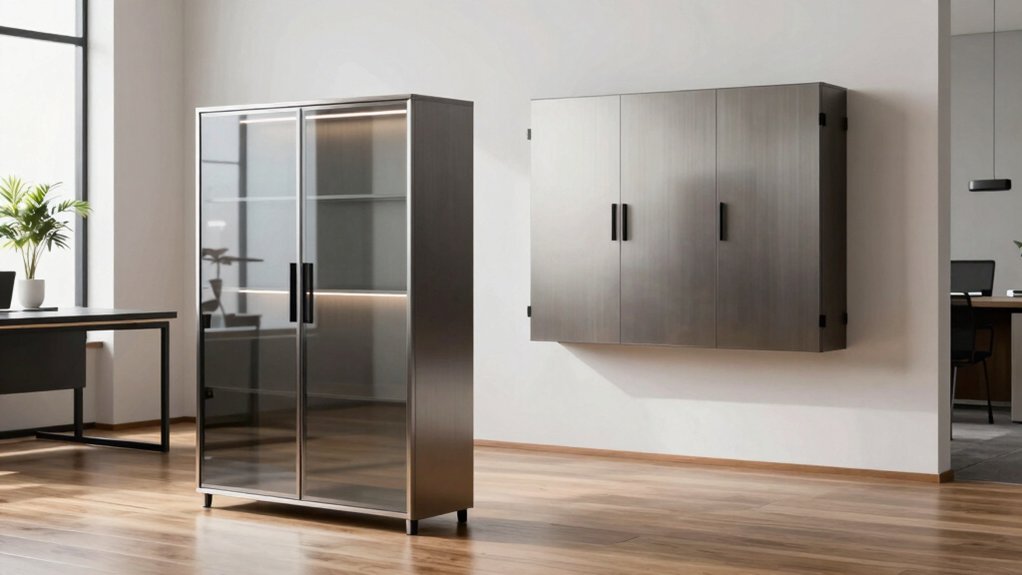
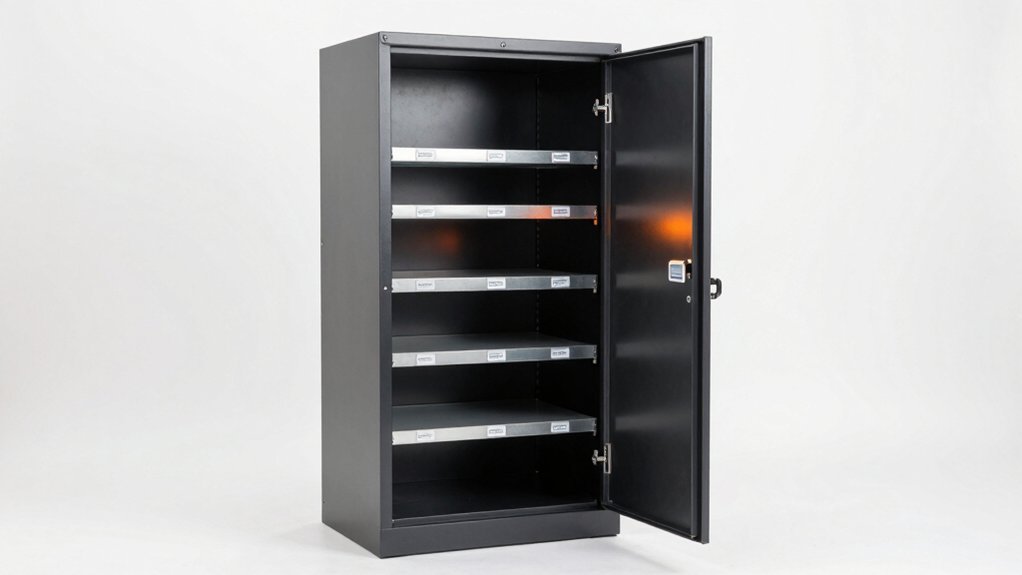
You’ll find cabinet grades hinge on material, construction, and veneer quality. Construction‑grade uses MDF or particleboard, offering the lowest cost but limited durability. Builder‑grade upgrades to thin plywood and laminate, improving strength modestly. Semi‑custom and custom cabinets employ solid hardwood or high‑grade plywood (A‑B), dovetail joinery, and full‑extension glides, delivering 20‑50 years of service and premium aesthetics. Plywood veneer grades A‑D dictate visible surface finish, while stock, semi‑custom, and custom options vary flexibility and price. Dive deeper to see how each factor aligns with your budget and performance goals.
What Determines a Cabinet’s Grade?
What determines a cabinet’s grade? It comes down to three measurable factors: the material composition, the plywood specifications, and the construction techniques. You first evaluate material sourcing: solid hardwoods (walnut, maple, oak) signal premium grade, while plywood or MDF indicates mid‑range, and particleboard points to low‑end. Next, assess plywood specs: grade A veneers, 3/4‑inch thickness, cross‑grained core, and veneer versus MDF core directly affect strength and warping resistance. Finally, review construction techniques: dovetail joinery, full‑extension bottom‑mount glides, and 1/2‑inch minimum component thickness demonstrate durability. Quantify environmental impact by tracking forest‑certified wood, recycled MDF content, and low‑VOC finishes; higher‑grade cabinets typically use responsibly harvested hardwood and waste‑minimizing processes, reducing overall carbon footprint. Selecting the right material also hinges on load‑bearing capacity to ensure the cabinet meets specific storage demands. Consider the space‑efficiency when choosing a cabinet to maximize usable area in limited rooms. Modern cabinets often incorporate metal reinforcement to enhance structural stability without compromising aesthetic appeal.

Two cabinets with four adjustable shelves accommodate food, kitchen utensils, or other items.


Dimensions: you will receive 1 package of appliance blender lift block platforms measuring 13 1/2" wide x 18" long x 1 1/2" high; This standardized size ensures compatibility with most appliance lift mechanisms; Balanced proportions provide stable support; Note: lift mechanism not included
How Do Construction‑Grade, Builder‑Grade, and Semi‑Custom Cabinets Differ in Cabinet Grade?
How do construction‑grade, builder‑grade, and semi‑custom cabinets compare in grade? You’ll find that construction‑grade relies on MDF or particleboard, offering the lowest price points but minimal grade durability; moisture can warp panels, and structural supports lack reinforcement. Builder‑grade adds thin plywood and laminate finishes, still mass‑produced at low cost, yet it improves durability slightly—still prone to wear and frequent repairs. Semi‑custom cabinets use all‑ply hardwood boxes, solid‑wood doors, and premium hardware like soft‑close hinges, delivering superior grade durability that can last 20‑30 years with proper installation. Their price points range $400–$900 per linear foot, reflecting higher material quality and customization options. Systematically, material composition, hardware, and finish quality drive the trade‑off between durability and cost across these three grades. Selecting the appropriate material also impacts fire resistance and overall environmental footprint. UV exposure can cause plastic fading over time, reducing both aesthetic appeal and structural integrity. For buyers focused on long‑term value, considering total cost of ownership helps balance upfront expense with lifespan and maintenance needs.

Bridge Wall Cabinet W3015 Dimensions: Measures 15 in. H x 30 in. W x 12 in. D with 2 doors and Shaker-style design

Wall Cabinet W3630 Dimensions: Measures 30 in. H x 36 in. W x 12 in. D with 2 doors and 2 adjustable shelves with anti-slip shelf pins

Base Cabinet B24 Dimensions: Measures 34.5 in. H x 24 in. W x 24 in. D with 2 doors, 1 drawer, and 1 adjustable shelf with anti-slip shelf pins
What Are the A‑through‑C/D Plywood Veneer Grades for Cabinet Grade?
When you choose plywood for cabinet construction, the A‑through‑C/D grading system tells you exactly how the veneer’s appearance and structural quality will affect both aesthetics and durability. Grade A provides a smooth, knot‑free face with ≤18 patches, ideal for visible surfaces that demand flawless finish; it drives up budget impact but maximizes environment veneer selection for high‑end projects. Grade B allows limited knots, filled repairs, and unlimited patches, offering a balance between appearance and cost; it’s suitable for painted doors where minor defects are hidden. Grade C permits 1‑inch knots and occasional larger ones, with filler or splits; it’s reserved for non‑decorative or hidden panels, reducing budget impact while still meeting structural needs. Grade D contains large, unfilled knots and rough texture, used only where aesthetics are irrelevant, delivering the lowest cost and minimal environment veneer selection. Consider the traffic flow in the room when deciding which side the cabinet door should swing to avoid obstructing pathways. Adjustable shelves also enable space optimization by allowing users to reconfigure interior layouts as storage needs change. Selecting a reputable brand can further enhance longevity, as many top manufacturers employ enhanced joint reinforcement to resist wear over time.
How Do Stock, Semi‑Custom, and Custom Cabinets Vary in Cabinet Grade Flexibility?
The A‑through‑C/D veneer grades dictate the visual and structural baseline for any cabinet, but the degree to which you can leverage those grades hinges on the cabinet type you select. Stock cabinets lock you into 3‑inch size increments, so you often need filler strips and you’re limited to 5–10 door styles and a narrow finish variety. Semi‑custom units give you 1‑inch or 1.5‑inch adjustments, reducing waste and expanding material flexibility; you can choose from hundreds of door styles, dozens of finishes, and interior accessories like pull‑outs. Custom cabinets remove all size constraints, offering endless door styles, colors, and hand‑applied finishes, plus full material flexibility such as solid wood and dovetail joinery. Consequently, each tier scales both design freedom and cost. Selecting the right lock type can further enhance security, especially when using a keyed entry lock for high‑traffic areas. Additionally, space‑saving designs often incorporate adjustable shelves and pull‑out drawers to maximize usable storage. The glass‑door cabinets reviewed in the guide demonstrate how premium materials can elevate both durability and aesthetics.

Large Full Unit: Measuring 15.75"D x 64.8"W x 31.9"H, Belleze buffet cabinet with storage, featuring 3 tiers per side and 2 adjustable shelves on each side, providing ample space for dinnerware, books, or decorative items in kitchens, living rooms, or entryways.


Comprehensive Kitchen Organization - Featuring a complete storage system with both a wall-mounted cupboard and a floor-standing sideboard, this 63-inch set maximizes your kitchen's horizontal and vertical capacity to keep appliances and pantry items neatly categorized
How to Match Cabinet Grade With Budget & Performance?
If you’re balancing cost against longevity, start by mapping your budget tier to the corresponding material and construction standards. For a $8‑$15 K remodel, budget optimization points to MDF or particleboard stock cabinets at $60‑$150 per linear foot, but expect higher durability tradeoffs and frequent repairs. Mid‑range semi‑custom units at $200‑$450 per foot use 5/8” plywood and stronger joinery, delivering 20+ years of service and a better ROI. Premium options above $500 per foot employ solid wood, offering 20‑50 years lifespan and lifetime warranties, ideal for heavy daily use. Align the grade with usage intensity: rentals tolerate lower durability, while primary kitchens benefit from higher‑grade, longer‑lasting construction. This systematic matching maximizes performance while respecting budget constraints. Proper surface preparation, such as chemical stripping, ensures the new finish adheres uniformly. Selecting the right drawers design can further enhance organization and longevity. Understanding standard cabinet dimensions helps ensure a seamless fit in any space.
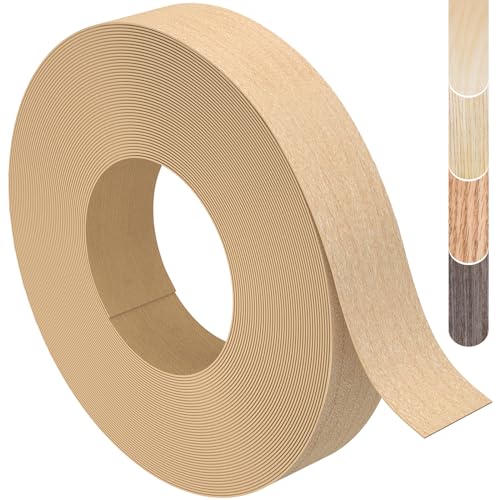
★[BRAND GUARANTEE]: ZYJT is a brand specialized in Edge banding.

Size & Package - The package comes with 1 roll of flexible veneer edging roll measuring 5/8" inches (15mm) in width, 26 ft (8 Meters) in length, and 0.5 mm in thickness, providing ample material for your DIY or home improvement projects.

PEEL & STICK BLACK EDGE BANDING – EASY FURNITURE REPAIR SOLUTION - This premium edge banding is perfect for quick and easy furniture and cabinet edge repair. Designed with a strong self-stick adhesive, it applies in seconds—just peel, stick, and press. No iron or heat tools required!
Why Does Cabinet‑Grade Plywood Beat CDX for Cabinet Grade in Kitchens?
You’ve already matched budget tiers to material grades, so let’s examine why cabinet‑grade plywood outperforms CDX in kitchen cabinets. Cabinet‑grade plywood uses A‑ or B‑grade veneers that are sanded, knot‑free, and designed for painting, delivering a defect‑free surface that CDX cannot match. CDX’s C‑face contains knots up to 1.5 in. and its D‑back up to 2.5 in., creating visible imperfections that require covering. Both grades employ moisture‑resistant adhesive, but cabinet‑grade’s higher‑quality core and veneer orientation provide superior moisture‑resistance in humid kitchen environments. Structurally, CDX offers strong shear for subfloors, yet its low‑grade inner plies reduce long‑term durability. The budget resistance of cabinet‑grade plywood stems from its longer lifespan and reduced need for repairs, making it the data‑driven choice for visible cabinetry. Alternating grain layers give plywood added stability and resistance to warping. Plastic cabinets also benefit from impact resistance which helps prevent dents during daily use. Reinforcing shelves can prevent structural failure when overloaded. Selecting the appropriate lock type, such as a keyed lock, further enhances security for high‑value storage.
Quick Guide: Pick the Right Cabinet Grade
How do you choose the cabinet grade that balances cost, durability, and design flexibility? This quick guide breaks the decision into three data‑driven steps. First, map budget‑performance: StockGrade offers the lowest price and fast delivery but limits size, style, and uses MDF or 5/8‑inch plywood with basic hardware. Second, evaluate material‑selection: SemiCustomGrade upgrades to stain‑or‑paint faces, mid‑range plywood, and better hardware, delivering a mid‑point between cost and longevity. Third, align layout needs: CustomGrade provides exact dimensions, premium 3/4‑inch plywood, and solid‑wood frames for unique spaces and long‑term use. Prioritize SemiCustomGrade when you need balanced quality and flexibility; choose StockGrade for tight budgets, and CustomGrade only for bespoke, high‑end projects. Deep storage cabinets with doors often feature adjustable shelving that maximizes vertical space. Consider the drawer cabinet trend for added organization and faster access.

CHARMING & USEFUL - The knobs made of Zinc. European style, fashion design. Pretty artistic, useful, easy to install with little home tool;

Durable Hard EVA Materials Protects your PS Vita console and its accessories
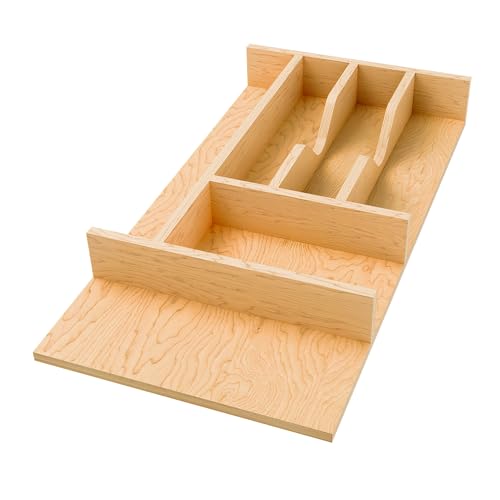
Drop-In Drawer Organizer: Utensil Drawer Insert is an ideal drop-in organizer with dividers to declutter various cooking accessories and household items