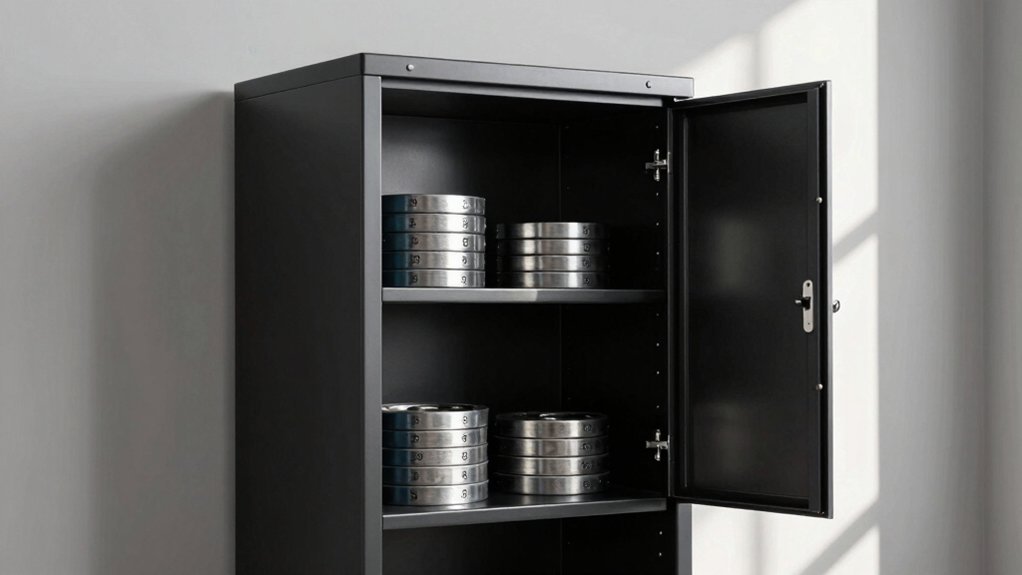
You’re likely to see tall, narrow freestanding cabinets tip over when their center of gravity shifts past the base—especially if drawers are pulled out or a child climbs on them. Even heavy dressers can become unstable if the load isn’t low and evenly distributed. Anchor each unit to wall studs with at least two‑inch wood screws or appropriate metal‑stud hardware, and use brackets at the top, middle, and bottom rails. Keep heavy items on lower shelves, close drawers fully, and inspect straps regularly; the next sections will show you how to choose safer designs and maintain stability.
Do Freestanding Storage Cabinets Tip Over?
If you think a freestanding storage cabinet will stay put on its own, you’re overlooking a critical safety reality: these units can tip over, even when they appear stable. Physics shows that the center of gravity shifts with each drawer opened, each child climbing, and each heavy object placed on upper shelves. Tall, narrow cabinets with shallow footprints tip with minimal provocation, regardless of weight. Only a quarter of U.S. adults anchor furniture, leaving 75 % vulnerable. Material anchoring—wall straps, brackets, and hardware—remains the sole reliable mitigation. Insurance policies increasingly require proof of anchoring to qualify for coverage after tip‑over incidents. Ignoring these factors exposes you to injury risk, legal liability, and potential claim denial. Properly bolting cabinets to the floor compliance with building codes ensures long‑term stability and safety. Selecting the correct stud finder and using appropriate toggle anchors can further secure the cabinet to drywall. Building codes often mandate anchoring for tall, narrow cabinets in residential and commercial settings.
How Height and Weight Influence Dresser Tip‑Over Risk
Even though anchoring is the primary defense, the dresser’s height and weight still shape the tip‑over hazard. Height alone doesn’t guarantee safety; dressers as short as 27.5 inches have caused fatalities, and nightstands under 28 inches have tipped when drawers open. Weight matters, but only in conjunction with material distribution and climbing dynamics. A heavier unit can increase injury severity if it overturns, yet a child’s climb can nullify the stabilizing effect of added mass. When a drawer is pulled out, the center of gravity shifts forward, making even a short, heavy dresser unstable. Dynamic forces from climbing exceed static 50‑ or 60‑pound tests, so you must evaluate both height and weight together, not in isolation. Selecting a cabinet with a high load capacity further reduces the risk of tip‑over. Properly assessing the material strength of the cabinet ensures it can support the intended load without deformation. Understanding load limits helps prevent structural failure and extends the cabinet’s lifespan.

Baby Safety Guard: Let your little one explore and climb to their heart's content! Baby proof furniture anchors help keep furniture secure from the potential tip-over hazard of curious children. This anchor will help keep furniture upright even if your children pull out the dresser drawer to form a ladder and climb onto the dresser for fun.

Peace Of Mind With Furniture Wall Anchors: This metal furniture straps are designed to withstand earthquakes,windstorms and also babyproofing. The metal anti tip furniture strap will secure your furniture up to 400 lbs so you can be assured that your baby won't be the victim of unnecessary injury in your own home. Never again will you worried about the injuries that could crush or seriously injure your little one

【450LBS ANTI TIP FURNITURE ANCHORS】 Reinforced steel baby proofing anchors secure dressers, cabinets, and bookcases up to 450lbs – prevents tipping when children climb or pets jump. Essential anti tip furniture anchors for nursery and living room safety
Why Open Drawers Make Freestanding Cabinets Unstable
When you pull a drawer open, its weight shifts forward, moving the cabinet’s center of gravity away from the base and reducing the stability margin. The forward shift creates lever tension on the cabinet’s frame; the longer the drawer extends, the greater the leverage effect that pushes the top toward tipping. Tall, narrow units suffer most because their narrow base offers limited counter‑moment. Opening multiple drawers compounds the problem by distributing weight unevenly across the depth, especially on shallow‑depth cabinets. Uneven pulling forces—grasping a drawer off‑center—induce asymmetrical stress, causing racking and weakening structural integrity. Heavy or unevenly loaded contents magnify forward‑tipping leverage, while top drawers amplify risk due to elevation. Without anchoring, these forces translate directly into tip‑over potential. Properly installing drawer guides ensures the drawer remains aligned and reduces wobble, helping maintain overall cabinet stability. Selecting a cabinet with adjustable shelving can further balance load distribution and improve safety. Floor stability is essential because an uneven or weak floor can exacerbate tipping risks.

CHILD SAFETY: Nothing is more important than living in a safe place. The furniture anchors will secure your furniture in place firmly so you can be assured that your baby and pet won't be the victim of furniture tip-overs in your own home. Install these furniture mount baby proof to prevent the top-heavy and unsteady furniture from dumping, create a safe and sound environment for your little one

INNOVATIVE WALL ANCHORS FOR FURNITURE: Help secure furniture and valuables with TipNot Furniture Anchors. This convenient 2-pack supports up to 300 lbs and is ideal for everyday childproofing. Use throughout your home to help reduce the risk of furniture tipping.

1,Baby anti-tip furniture wall straps secure furniture to the wall with screws to help against furniture tipping over. Create and maintain a safe environment for your kids and pets!The furniture strap perfect for anchoring TV stand, drawer, cabinets, bookcases, dresser, armoires, bookshelf,wardrobes, and any furniture.
What Kids Do That Causes Dressers to Tip Over
Climbing a dresser is the single most common action that turns a stable piece of furniture into a tipping hazard; children pull multiple drawers open, use the front as a ladder, and shift the unit’s center of gravity far beyond its base. You’ll see toddlers treat the drawer stack like a climbing ladder, especially when tempting objects sit on top. When a child reaches for a candy bar or a remote, they climb, pull the top drawer forward, or hang from an open compartment, instantly moving the load beyond the footprint. The weight distribution collapses, and the dresser pivots. This behavior peaks at age 2, accounts for over half of tip‑over ER visits, and is reproduced across any unsecured freestanding unit. Nearly 18,000 people are injured in tip‑over incidents each year. Installing safety latches on each drawer can help prevent children from easily opening them. Regularly inspect the hinge alignment to ensure that all hardware remains secure and functional.
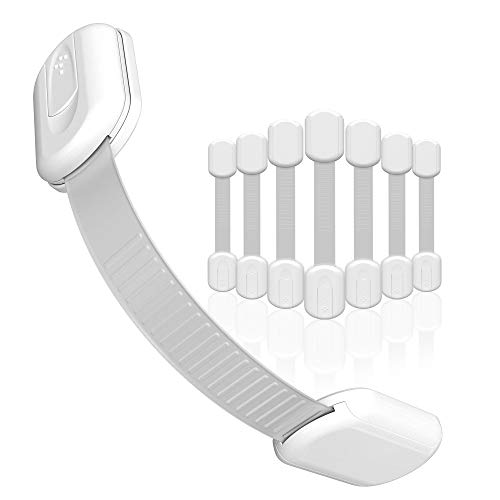
FLEXIBLE COVERAGE AROUND THE HOME - Adjustable 3-7 inch child proof cabinet locks bend around corners to help limit access to cabinets, drawers and other compatible household surfaces.
![[12-Pack] Invisible Baby Proofing Cabinet Locks - No Drill Child Safety Drawer Latches - Adhesive Childproof Latch for Cabinets, Kitchen & Furniture - Secure Toddler & Infant Safety No Tools Required](https://m.media-amazon.com/images/I/31eZCkmpTfL._SL500_.jpg)
INVISIBLE PROTECTION FOR YOUR HOME: Keep your kitchen and bathroom looking beautiful while keeping curious toddlers safe. These child safety locks install completely inside your cabinets and drawers, staying hidden from guests and out of reach of children—no ugly external straps or plastic latches to ruin your home’s aesthetic.

Children Guardian: Our baby-proof furniture anchors are designed to secure furniture against the potential tip-over risk posed by curious children. This wall mounted furniture anchor ensures stability, even if your child turns a dresser drawer into a ladder for playful climbing.
Myth‑Busting: Heavy Dressers Still Tip Over
Why assume a heavy dresser is automatically safe? Myth debunking reveals the weight paradox: more mass doesn’t guarantee stability. When a drawer slides out, the center of gravity shifts forward, and a child climbing adds load at the new pivot point, dramatically reducing the tipping threshold. Consumer Reports tests showed 60‑pound weights on an unsecured top drawer caused collapse, even with empty drawers. Statistics confirm 234 fatalities and 84,100 ER visits from dresser tip‑overs, 72 % involving children. Industry data indicate that one in five new dressers fails stability checks, yet many lack anchoring kits. Consequently, treat every dresser—light or heavy—as a potential hazard until you secure it to the wall. Selecting a high‑security lock further mitigates risk by preventing unauthorized access and tampering. Understanding hinge orientation is essential for safe cabinet installation. Proper storage cabinet selection also depends on security needs, cost, and intended use.
What the New ASTM F2057‑23 Standard Requires for Dressers
Even though you might think a dresser’s weight alone guarantees safety, the new ASTM F2057‑23 standard forces manufacturers to prove otherwise. The rule applies to any freestanding clothing unit 27 inches tall, 30 lb or heavier, with a storage volume of 3.2 ft³. You must test each model on carpet with loaded drawers, multiple drawers open, and a simulated 60‑lb child. The unit cannot tip when supported only by an opened drawer or door. Anti‑device criteria require an ASTM F3096‑approved tip‑restraint to be included and correctly installed; stockpiling is prohibited. Drawer load limits are defined so that each drawer’s weight does not exceed the tested threshold, ensuring stability under the prescribed load conditions. Compliance is mandatory as of September 1, 2023. Properly securing the leg with a reinforced bracket helps prevent wobble during use. Choosing a metal cabinet can also provide enhanced durability that aligns with these safety requirements. Secure lockers with built‑in locks can further deter tipping by adding weight distribution stability.
How to Properly Anchor a Cabinet to a Wall
If you **skip proper anchoring, a freestanding cabinet can tip under load, so you must secure it to the wall before it bears any weight. First, locate studs using a stud finder; mark wood or metal studs with a laser level. Choose a wall material‑appropriate fastener: at least 2‑inch wood screws for studs, fine‑thread drywall screws for metal studs, or toggle bolts where no stud exists. Measure cabinet height and determine bracket placement per the manufacturer’s diagram, ensuring at least four brackets spaced evenly across top, middle, and bottom rails. Pre‑drill and countersink holes, then attach brackets without overtightening. Test each screw with a manual screwdriver, confirming a firm anti‑tip connection before loading the cabinet. Proper anchoring also prevents tip‑over injuries and saves lives for children and pets. Use a level‑checking method to verify that the cabinet is perfectly vertical after installation. Anchoring standards require that all brackets be secured to structural elements to meet safety codes. Follow the step‑by‑step guide in the installation manual** to ensure every component is correctly positioned and secured.
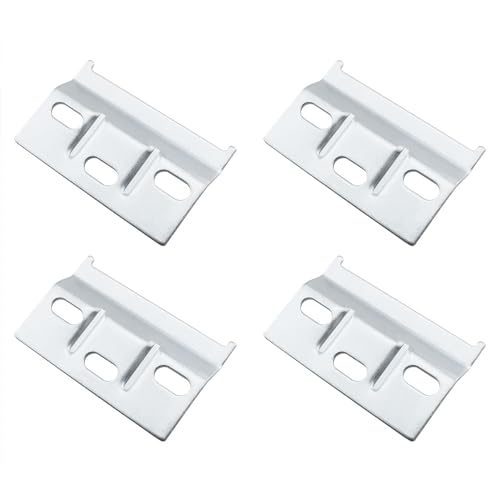
Material: These cabinet brackets are made of galvanized iron. They are very durable. The surface is electroplated, with strong waterproof and rust proof capabilities.

Secure & Stable: No-drill furniture anchors feature strong adhesive pads and oversized design for maximum holding power. Stainless steel L-brackets provide reliable furniture stabilization.

【Maximum Stability for Child Safety】:Includes 4 furniture anchors designed to resist up to 400 lbs force, effectively preventing furniture tip-overs and safeguarding curious toddlers around cabinets, dressers, and bookshelves.
Which Cabinet Designs Are Safer for Kids?
Proper anchoring eliminates the tipping hazard, but the cabinet’s design itself determines how safe it is for children. Evaluate each model for soft‑close mechanisms and rounded edges, because they directly reduce pinch and impact injuries. Prioritize cabinets that integrate soft‑close hinges and drawer slides; the slight push‑to‑close action prevents sudden slams that can trap fingers. Verify that all interior corners are rounded or fitted with edge protectors, eliminating sharp points that cause scrapes when a child bumps into the unit. Choose low‑level, pull‑out drawers over deep shelves to discourage climbing and to keep items within reach without stretching. Combine these features with child‑proof locks for hazardous contents, creating a systematic, risk‑focused design that safeguards kids while preserving functionality. Follow the detailed steps in the install lock guide to ensure the lock is securely attached and functions correctly.

SAFETY 1ST CABINET LOCKS FOR BABYPROOFING Secure cabinets to create a child-friendly space where your little one can explore with the Safety 1st Double Door Cabinet Locks.
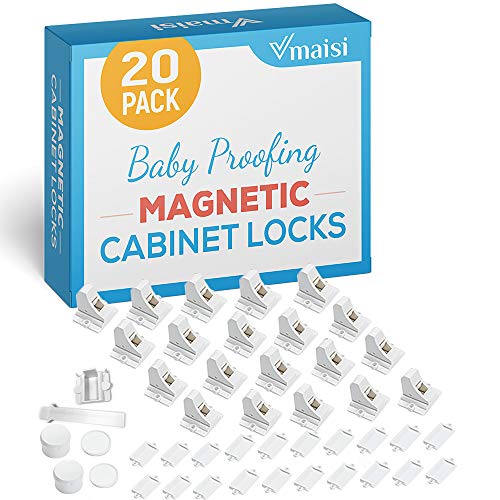
[ 20 LOCKS + 2 KEYS ] Baby Child Safety Magnetic Cabinet Locks Work Both for Drawers and Cabinets. Improved Locks Extra Stronger Magnetic enough to keep a house cat or toddles out.Child Proofing Locks with Magnet key control. 3M Adhesive for Cabinets & Drawers - No Tools, No drill, No holes

Prominent decoy button can be pushed by child, with no effect
Simple Daily Habits That Prevent Cabinet Tip‑Overs
Why let a simple daily habit become the weak link in your home’s safety plan? You should conduct daily checks that verify anchor integrity, strap tension, and drawer‑lock functionality. First, inspect each brace or wall strap for looseness; tighten metal L‑brackets and replace any cracked plastic anchors immediately. Second, practice load balancing by placing heavy items on the lowest shelves and redistributing lighter objects upward, keeping the center of gravity low. Third, confirm that drawer stops and locks engage fully, preventing full extension that could shift weight. Finally, after any furniture move or child growth spurt, repeat the checklist to guarantee stability before the next use. These systematic actions reduce tip‑over risk without extra cost.
When Do You Need a Professional Stability Inspection?
When you notice warping, cracks, or bowing sides under light pressure, those visible signs of structural damage signal that a professional stability inspection is essential. You should trigger a professional inspection whenever more than 50 % of cabinet components are missing, damaged, or inoperable, or when multiple units display early wear, dents, or loose threads. Failed weight‑capacity or UV‑light tests, exposure to 160 °F at 70 % humidity, and uneven floor or wall conditions also demand expert evaluation. Post‑delivery defects—chips, incorrect dimensions, missing hardware, or non‑functioning drawer glides—must be reported immediately. Follow safety guidelines by documenting each anomaly, halting use, and scheduling a qualified inspector to verify structural integrity before re‑installation.