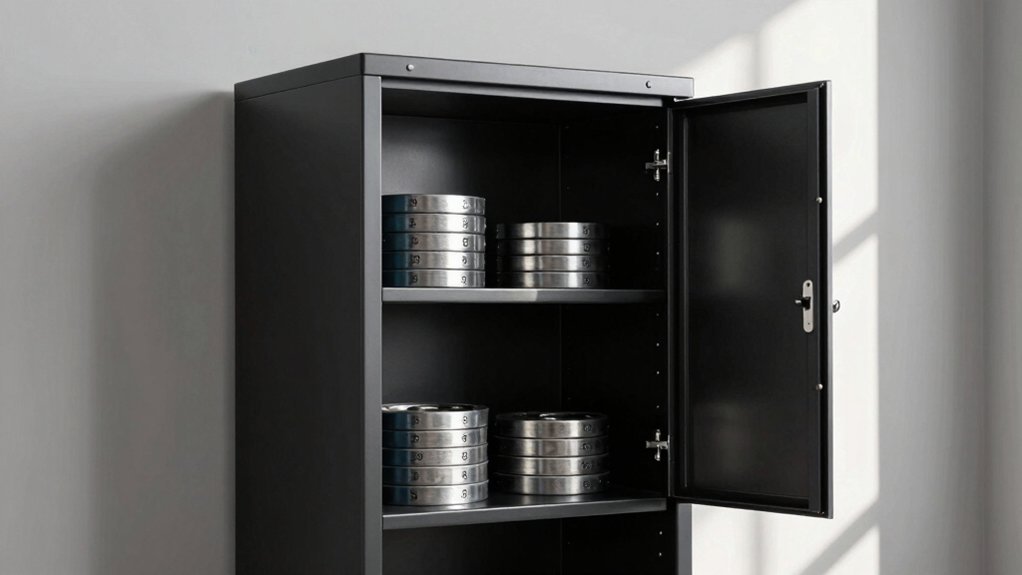
You can hire a certified installer or do it yourself, depending on your skill, budget, and need for code‑compliant mounting. Professionals verify licenses, insurance, and manufacturer certifications, then schedule a free consultation, use 3D renderings, and provide a written estimate and timeline. They locate studs, secure cabinets with proper anchors, and guarantee everything is level, plumb, and sealed against moisture. DIYers save labor costs but must master tools, measurements, and proper anchoring. Keep reading to uncover the key factors that guide your choice.
Who Installs Garage Storage Cabinets and What They Do?
When you need garage storage cabinets installed, you’ll turn to specialized organizers, big‑box retailers, or independent contractors—all of whom handle design, fabrication, and mounting. First, verify installer credentials: check licenses, insurance, and any manufacturer certifications. Next, schedule a free consultation; designers will use 3D rendering to plan layout, then provide a written estimate and timeline. After you approve the plan, the crew will prep the space, assemble cabinets with soft‑close hinges and reinforced toe kicks, and install slatwall panels or overhead racks as specified. Professionals seal seams, secure fasteners, and clean the area before final inspection. Finally, confirm warranty coverage, which typically protects materials and workmanship for several years, and keep documentation for future service. Consider evaluating space utilization to ensure the cabinets fit your garage’s dimensions and workflow. Proper installation also helps protect belongings from dust and moisture, extending the life of stored items. Additionally, well‑installed cabinets can enhance tool organization by providing dedicated compartments and easy access.
DIY vs. Professional: Which Garage Storage Cabinet Installation Is Right for You?
If you’re weighing DIY versus hiring a pro for your garage cabinet installation, start by listing your priorities—budget, timeline, skill level, and desired durability. Compare budget cost versus durability: DIY saves labor fees but often results in lower durability due to measurement errors and material degradation; professionals charge more upfront but deliver precision, warranties, and long‑term strength. Assess the DIY learning curve; if you’re comfortable with tools, can allocate days for removal, layout, and alignment, you’ll gain control and personal satisfaction. If time is limited, walls are uneven, or you need certified anchoring, choose a pro for speed, safety, and custom fit. Weigh these factors systematically before committing. Proper anchoring also stip‑over risk and ensures compliance with local building codes. Using a stud finder helps locate the strongest points in the wall for secure mounting. Checking for moisture before installation helps prevent future damage.

Peace Of Mind With Furniture Wall Anchors: This metal furniture straps are designed to withstand earthquakes,windstorms and also babyproofing. The metal anti tip furniture strap will secure your furniture up to 400 lbs so you can be assured that your baby won't be the victim of unnecessary injury in your own home. Never again will you worried about the injuries that could crush or seriously injure your little one

Notice for Adhesive - The transparent adhesive leaves no glue residue, easy to remove and won't cause damages ONLY on smooth surface. But for painted plaster wall, drywall, wallpaper, since the adhesive is very strong, it may rip paint off when you try to remove it. Or you can use the screw provided.
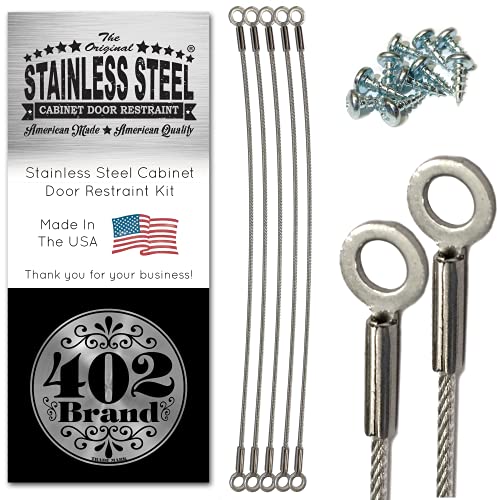
The Original Stainless Steel Cabinet Door Restraint. American Made. American Quality. Our restraints are made right here in the USA by skilled men and women using the highest quality materials. Our cabinet door restriction cable is made with flexible 304, 7x7 stainless steel wire rope for superior strength and unmatched, long-lasting, trouble-free operation. Please note our product is not designed for lifting.
Key Decision Factors When Choosing a Garage Storage Cabinet Installer
Because the right installer determines how well your cabinets endure garage conditions, start by evaluating material expertise, climate adaptability, storage needs, and installation precision. First, verify Installer credentials: look for certifications in steel framing, powder‑coat handling, and corrosion‑resistant hardware installation. Next, assess their knowledge of humidity, temperature swings, and road‑salt exposure to guarantee they select North‑American‑manufactured steel and low‑VOC finishes. Then, match their experience to your storage requirements—heavy‑tool capacity, security locks, and ergonomic layout. Finally, review Warranty terms; a solid warranty covers material defects, hardware corrosion, and installation errors for at least five years. By systematically checking expertise, climate fit, storage solutions, and warranty coverage, you’ll choose an installer who delivers durable, functional garage cabinets. Proper sealing prevents rust also helps maintain the longevity of the installation. Regularly inspect the area for clear pathways to reduce accident risk.

【Fashion and Sturdy Design】The black food pantry cabinet comes with 2 gold metal door handles,the beautiful lines emit an elegant atmosphere,the kitchen cupboard is made of high-quality steel, which is very sturdy.

High-Quality Metal: Letaya metal storage cabinet with whole-in-one reinforced heavy gauge steel deluxe welded frame, 2 locking doors are also strengthened by with additional steel bars, whole steel frame thickness up to 0.8 mm, rugged and not easily deformed, plate adopted environmentally powder coated finish, Moisture proof,capacity to resist corrosion and rust,Can be used for a long time

【Integrated Frame】: Black storage cabinet with doors is made of 0.88mm thick cold-rolled steel and can hold 180 pounds per layer, up to a maximum of 900 lbs. It's a 72 X 32 X 16 inch heavy duty storage cabinet with upgraded powder, which is more durable, longer use time.
What to Expect During a Garage Storage Cabinet Installation
Choosing the right installer sets the stage for a smooth garage storage cabinet installation, and now you’ll see what actually happens on the day of the job. First, the crew clears the garage, moves vehicles, boxes, and wall‑leaning items, then measures the space with painter’s‑tape outlines and checks floor levelness with a 4‑foot level. Next, they locate studs every 16 inches, mark bracket positions, and drill pilot holes. Wall cabinets go up first, secured to studs with screws or brackets, followed by base cabinets that are assembled, leveled with adjustable feet, and clamped flush. Throughout, they verify plumb and level, tighten all fasteners, and conduct a final load test. This timeline aligns with your budget breakdown, keeping the project on schedule and within cost. They also ensure the use of appropriate anchors to match the wall type and cabinet weight. Properly bolting cabinets to the floor also helps meet building code requirements for safety. Using toggle bolts provides extra support for heavier cabinets mounted on drywall without studs.

Durable Stainless Steel: Crafted from robust 304 stainless steel, our latch lock is built to withstand rust and corrosion, ensuring long-lasting quality and durability for your home security.
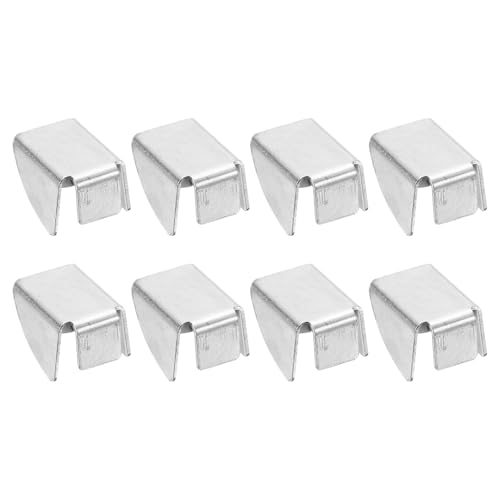
Size - Total Size: 0.84" x 0.63" X 0.7" (L x W X H); Package Includes: 8 x Cabinet Shelf Clips.
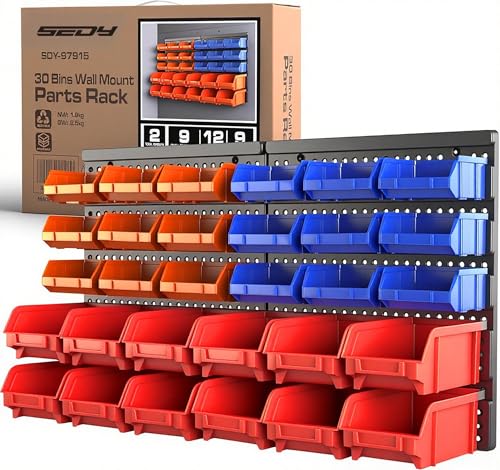
MULTIFUNCTIONAL STORAGE - 30-bin storage system, perfect for organizing screws, nuts, bolts, tools, and miscellaneous small parts
How to Maintain Your Garage Storage Cabinets After Installation
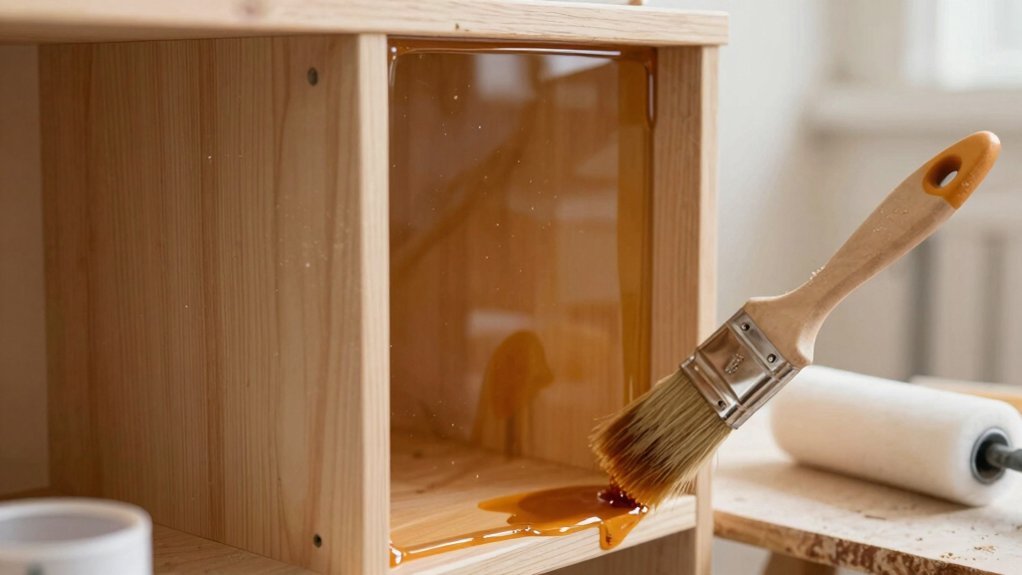
Maintaining your garage storage cabinets after installation is essential to keep them functional and looking great for years, so start with a regular cleaning routine, control moisture, protect finishes, inspect hardware, and follow seasonal protocols. Dust weekly with a microfiber cloth; wipe with mild soap and water, then dry completely. Deep clean quarterly or during seasonal cleaning: empty cabinets, wipe interiors, and dry surfaces. Use dehumidifiers and place silica gel packs for moisture control; keep cabinets away from leaks and monitor condensation in winter. Seal wood with moisture‑resistant paint or polyurethane, and apply rust‑preventive finish on metal. Inspect hinges and screws every two months, tighten loose parts, and handle soft‑close features gently. Follow summer, fall, and winter checklists to catch humidity damage, pests, and rust early. Regularly check for loose hinges to prevent misalignment and wear.