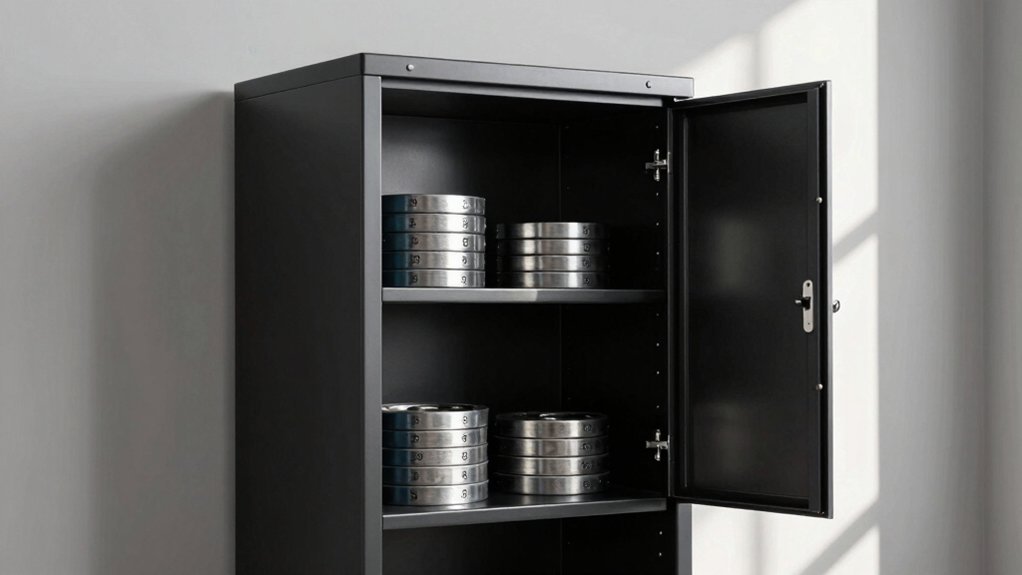
Pick a vertical‑storage type that fits each room: floor‑to‑ceiling units for closets, wall‑mounted shelves in kitchens, and over‑door organizers for closets. Set top shelves 12 inches below the ceiling (84 in for 96‑in ceilings) and keep everyday items between 90 cm and 160 cm for easy reach. Use stackable bins, pull‑out drawers, and lazy‑Susan carousels to fill deep corners, and add DIY dividers or neodymium‑magnet racks for smooth retrieval. If you keep going, you’ll uncover more tricks to squeeze every inch out of your cabinets.
Choose the Right Vertical‑Storage Solution for Each Room
Choosing the right vertical‑storage solution for each room starts with matching the unit’s function to the space’s layout. In the bedroom, you’ll want sleek cabinets or open shelves that complement the bed’s position; a floor‑to‑ceiling unit can double as a closet divider, while a Kallax footboard adds storage without crowding the floor. For the kitchen, prioritize wall‑mounted or floating shelves that hold spice bottles and mugs; bracketed shelves support heavier pans, and over‑door racks free cabinet space. In closets, over‑door organizers and stackable bins keep shoes and accessories off the floor, while floating shelves create multiple layers. Choose materials that resist moisture and wear, ensuring material durability across each room selection. Adding floating shelves high on walls can further maximize vertical space for books and kitchen items. Consider the load capacity of each cabinet to safely store heavier items without compromising stability. When selecting an installer, verify they have experience with cabinet mounting to guarantee a secure and level fit. Properly measuring shelf spacing before installation helps avoid costly adjustments later.

Premium Materials: This floating shelves for wall features durable solid wood and sturdy metal construction with protective rails to keep items from falling. Each shelf showcases unique natural wood grain, offering strong weight capacity. Perfect for adding extra storage in your bathroom, bedroom, living room, home office, or kitchen

Solid Paulownia Wood: Our floating shelves are crafted from 100% paulownia wood with a fine wood grain and attractive finish. Paulownia wood is naturally resistant to decay, warping, and pests, making these bathroom shelves perfect for wall decor in any living space.

[6-Piece Wood Floating Shelves Set] – Enhance your space with these versatile floating shelves for wall, crafted from light weight natural wood to add rustic charm and functional storage to any room. Perfect for displaying decor, books, plants, or organizing bathroom essentials, kitchen spices, or bedroom accessories.
Adjust Shelf Heights and Extend Cabinets for Maximum Vertical Storage
When you adjust shelf heights and extend cabinets, you release the full vertical potential of any room. Start with the ceiling height: a 96‑inch ceiling lets a wall‑mounted unit top out at 84 inches, leaving a 12‑inch buffer above and below. For floor‑mounted pieces, aim for an 89‑inch top shelf to accommodate double hanging storage and the base. Position everyday items between 90 cm and 160 cm for natural reach, placing frequently used items at waist height to improve shelf ergonomics. Keep shelves 12–15 inches apart for folded goods. Use pin jigs and drilled hole rows to fine‑tune heights as needs change. Add cabinet extensions to fill the remaining vertical gap, creating floor‑to‑ceiling units that eliminate wasted space and boost overall capacity. Ensure that the total load does not exceed the cabinet’s weight capacity to maintain structural safety. Properly installing drawer slides guarantees smooth operation and maximizes the usable space of each drawer. Selecting the right shelf material can significantly affect durability and load distribution.

YOUR ITEMS, YOUR WOOD – YOU SUPPLY IT: Supply 3/4" thick wood (e.g., 1x4 to 1x10 pine or plywood, sold separately) for custom-fit shelves that match your items.

High quality material:pilaster shelf brackets are made of #45 carbon steel with galvanized finishing, long-lasting and rust resistant.
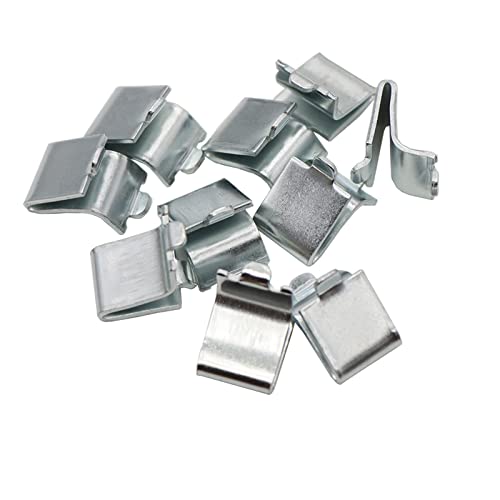
Made of high-strength steel, galvanized coating
Pack Cabinets Vertically for Easy Retrieval and Space Efficiency
A single vertical stack can triple a cabinet’s capacity, so start by placing the tallest, most frequently used items at the back and layering smaller bins or containers in front. Use stackable pantry bins to double space for shoes, bathroom supplies, or dry goods. Acrylic sets keep toilet paper upright, while OXO containers store dish tabs without clutter. Add vertical dividers to keep bakeware upright and prevent tumbling. Install mezzanine shelving inside deep cabinets to create a second tier for smaller containers. A vertical pantry layout lets you see every item at a glance, reducing search time. Pull‑out drawers and narrow vertical units further streamline access, turning every inch into usable storage. Consider converting the cabinet into a compact office organizer to keep documents and tech within arm’s reach. Adjustable shelving offers customizable organization that adapts to evolving storage needs. Selecting a cabinet with a sliding door mechanism can also maximize floor space while maintaining easy access.
How to Turn Awkward Kitchen Corners Into Handy Vertical Storage?
Stacking items vertically works great, but those awkward kitchen corners still waste space. First, replace a blind corner with a diagonal‑corner cabinet; its angled shelves let you see every item and add corner lighting to brighten the niche. Next, install a rotating carousel (lazy Susan) inside the angled frame; the circular shelves rotate, giving full access to spices and cans while shelf lighting highlights each tier. If you prefer a pivoting solution, fit a fold‑out corner shelf that swings open, turning the blind spot into a vertical rack for cookware. Finally, add under‑cabinet corner space with pull‑out drawers below the countertop, using shelf lighting to make deep items easy to locate. Half‑Moon Lazy Susan offers an inexpensive option for blind corners, providing limited access to the back of the cabinet while sacrificing some usable storage in the visible portion. Consider using modular shelving to adapt the interior layout as your storage needs evolve. Choose hinges with a full overlay design to maximize door coverage and maintain a seamless look. Space‑saving corner cabinets are especially popular in small‑kitchen designs because they maximize usable area without compromising style.

Three Size Options: One for 26" diameter corner lazy Susan, one for 28", and the other for 32". Please make sure you measure the diameter of your lazy susan first and then CHOOSE THE RIGHT SIZE bins. More Quantity Options: Four bins create a semicircle, Six bins create 3/4 circle, Eight bins create a circle.

CONTAINS: (2) lazy susan corner organizer bins
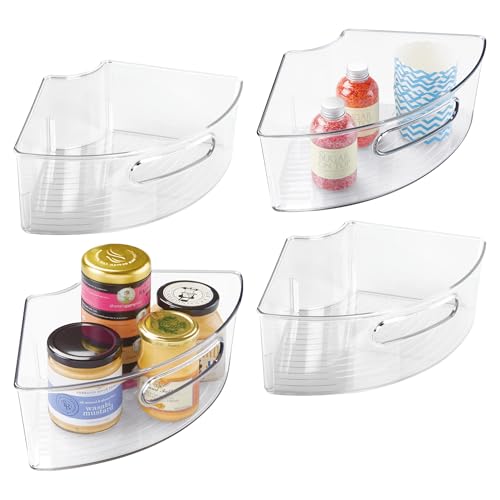
STORAGE FOR CORNER CABINETS - Eliminate storage pain points with the iDesign 4-Piece Lazy Susan Wedge Bin Set; This 4-piece set makes a complete circle, creating accessibility and visibility in corner cabinets where things can be hard to reach; Set of 4
DIY Pull‑Out Racks and Dividers That Make Retrieval a Breeze
Pull‑out racks and dividers turn a chaotic cabinet into an organized workstation, letting you grab what you need without rummaging. First, measure the interior depth, subtract 1 in. for slide hardware, and mark mounting positions 1 ¼ in. from the board bottom and ¾ in. from the drawer box bottom. Use ¾ in. spacers to offset face‑frame intrusion, then attach a level mounting board with spacer blocks for upper levels. Build drawer boxes from ¾ in. plywood sides and ¼ in. bottoms, reinforcing the bottom with ½ in. plywood for later dividers. Pocket‑hole screws and wood glue secure joints; edge‑band front edges for durability. Install drawer dividers on the reinforced bottom, then slide the racks out using the pre‑mounted hardware for smooth, friction‑free retrieval. Adjustable shelving allows you to reconfigure storage as your needs evolve. Choosing the right magnet type, such as a neodymium strip, ensures the racks stay securely closed without sacrificing ease of access. Smooth glide mechanisms reduce effort and wear, extending the lifespan of the pull‑out system.
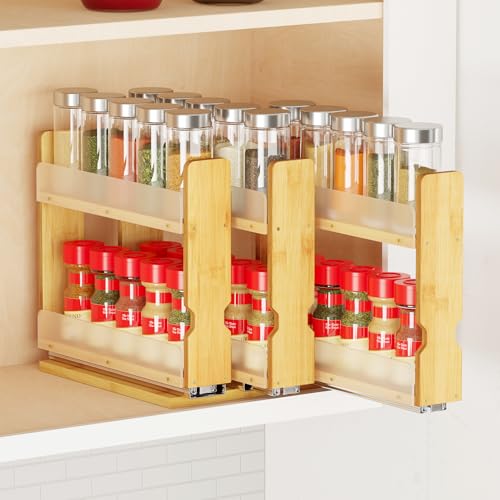
MEASURE CABINET SIZE - Please measure the interior dimensions of your kitchen cabinet first; It is recommended for cabinets that are 12" tall and 10.60" deep; This is the version of 3 Drawers(2" Wide), 2-Tier; Overall Product Size: 7.6"W x 10.6"D x 9.6"H

Spacious Shelf Organizer: Maximize your space and efficiency in your kitchen with the Rev-A-Shelf versatile 4-tier pull-out organizer

Under Sink Towel Bar: Maximize the space in your kitchen or bathroom with this towel holder mounted under your sink with an extendable bar for easier towel retrieval