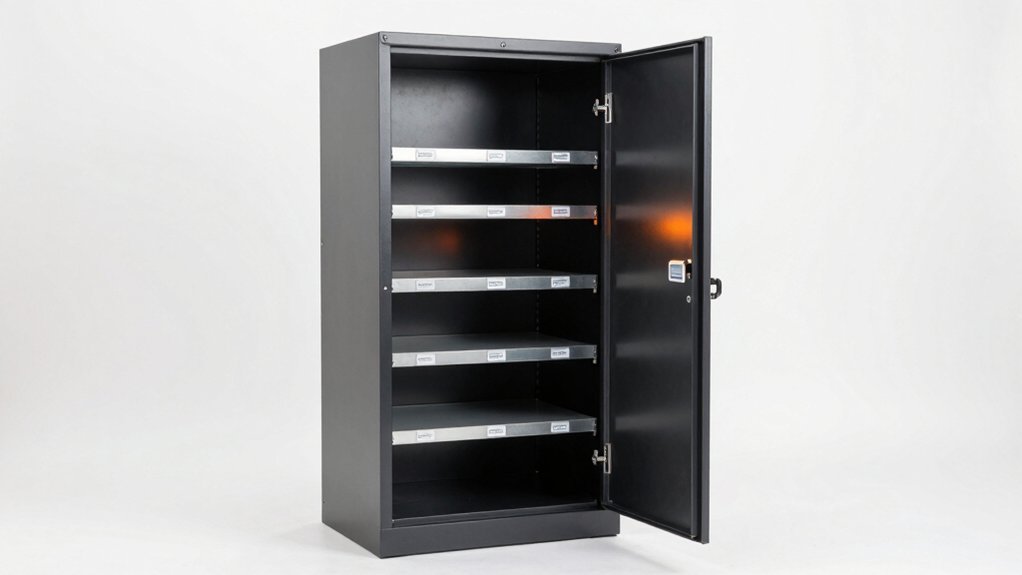
First, identify each chemical’s primary hazard class and match it to the proper cabinet—yellow steel for flammables, blue corrosion‑resistant for acids/bases, green heavy‑duty for pesticides, and drum‑specific units for bulk drums. Calculate total volume (container size × quantity) and add a 25 % safety margin, keeping the working load at 85‑90 % of internal space. Choose fire‑rated, double‑wall steel with intumescent coating, install adjustable, spill‑catching shelves, raise the door sill two inches, and add self‑closing three‑point latches. Guarantee ventilation meets code, label per AS 1940‑2017, and lock the unit. The next section shows how a decision matrix can streamline your selection.
Understanding Hazard Classes for Chemical Cabinets
When you select a cabinet, first match it to the hazard class of the chemicals you’ll store; each class has distinct limits, construction requirements, and segregation rules that keep fire, corrosion, and exposure risks under control. Identify the class, then apply the appropriate hazard signage and ventilation standards. For flammable liquids, limit total volume to 120 gal per cabinet, no more than 60 gal of Classes I and II, and use steel cabinets with self‑closing doors and a three‑point latch. Oxidizers must be isolated from combustibles and ignition sources; store them on non‑combustible shelving and label clearly. Corrosives need secondary containment, eye‑level placement, and separate trays for acids and bases. Follow these concise steps to maintain safety and compliance. Consider material durability when selecting a cabinet to ensure long‑term resistance to chemical exposure. Cabinets rated for fire‑resistance temperatures often use intumescent coating to maintain structural integrity under extreme heat. Selecting a cabinet made from corrosion‑resistant metal can further extend its service life in harsh chemical environments.
Why Hazard Classes Influence Cabinet Selection
Hazard classes dictate cabinet choice because each class carries specific fire‑rating, material‑compatibility, and segregation requirements that directly affect safety and compliance. When you store Class IB flammable liquids, you pick a red‑colored cabinet; the hue signals a color hazard to firefighters and aligns with OSHA limits of 60 gal for Category 1‑3. For corrosives, you choose a blue polyethylene cabinet that resists acid attack and meets NFPA 30. Oxidizer storage demands fire‑resisting, non‑reactive steel or HDPE units that keep oxidizers away from flammables, preventing ignition. You must also respect packing groups and subsidiary risks, using SDS data to segregate incompatible chemicals. Proper selection preserves cabinet aesthetics while ensuring regulatory compliance and minimizing spill or explosion risk. Regular inspections help detect leaks early, and proper labeling ensures that personnel can quickly identify hazards. Implementing secondary containment further reduces the likelihood of spills spreading. Additionally, following the step‑by‑step lock replacement guide ensures that any cabinet lock can be safely and efficiently upgraded.
Calculating Capacity for a Chemical Storage Cabinet
If you’re sizing a cabinet, first total the volume of each chemical class by multiplying the volume per container by the number of containers, then add those totals together. Compare that sum to the cabinet’s rated capacity and choose a model that exceeds it by at least 25‑30 % to preserve vent efficiency and allow for inventory growth. Keep the working volume between 85‑90 % of the internal space; this freeboard prevents over‑loading, bent shelves, and lock failure. Account for container shape—round drums need more clearance than flat bottles—and verify the unit is resistant to the chemicals you’ll store. Finally, factor projected purchases for the next 12 months, ensuring the selected cabinet remains compliant with OSHA/NFPA limits and fire‑code safety margins. Properly assessing load distribution helps prevent shelf collapse and maintains cabinet stability. Powder coating provides a highly durable finish that resists scratches, chips, moisture, and UV damage, making it ideal for high‑traffic or industrial environments. The material type of the shelf influences its load‑bearing capacity and overall durability.

【KEEP-FIRE-AWAY CONSTRUCTION】- This safety cabinet adopts the double-walled cold-rolled steel with 1-1/2" air space for strength to reduce the risk of fires.
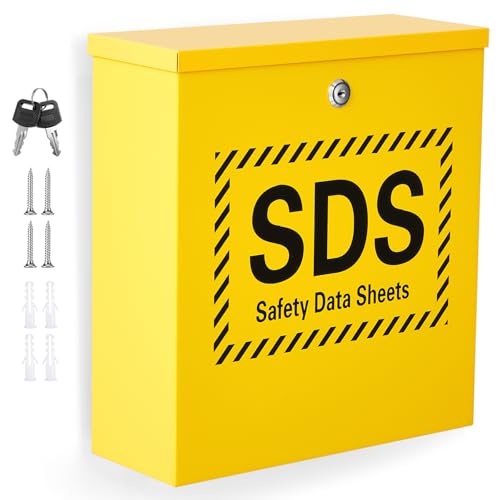
Organized Safety Data Sheet Storage:This SDS storage cabinet helps keep safety data sheet binders organized and accessible in workplaces where chemical documentation is required. Suitable for storing SDS binders, documents, and compliance records in laboratories, warehouses, workshops, and industrial facilities
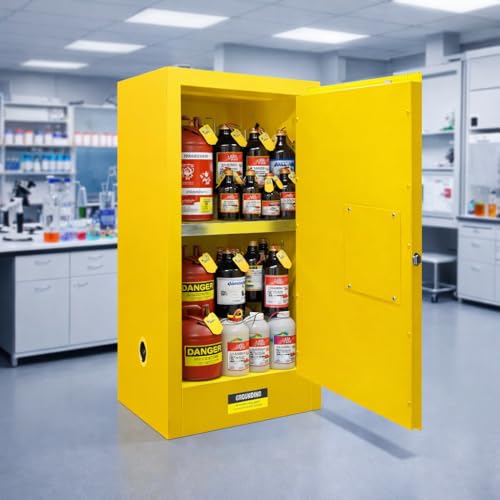
🔒【FIREPROOF STRUCTURE】The flammable cabinet is made of 2mm double-layer cold-rolled steel plate, and the interior is filled with special fireproof material with good fireproof performance.
Choosing the Right Chemical Storage Cabinet Type
After you’ve confirmed the cabinet’s capacity exceeds your calculated volume by 25‑30 %, pick the cabinet type that matches the hazard class of the chemicals you’ll store. If you handle flammables, choose a yellow, 18‑gauge steel cabinet with double walls and a three‑point latch; it meets OSHA and NFPA 30 and gives you ten minutes of fire protection, which eases regulatory audits and boosts budget efficiency. For acids or corrosives, go with a blue cabinet—steel, polyethylene, or wood—featuring corrosion‑resistant shelves and powder‑coat finishes; a one‑door unit suits small volumes, while a two‑door model handles larger stocks. Pesticide storage demands a green, heavy‑duty steel cabinet with self‑closing doors and polyethylene shelves. Drum storage requires a yellow drum cabinet with a reinforced sump and optional rollers. Match each cabinet to its hazard class, avoid multi‑purpose use, and guarantee FM approval for compliance. Consider adding a high‑security lock to further protect the cabinet from unauthorized access. Metal cabinets with powder‑coat finishes provide superior UV resistance for outdoor chemical storage. Repurposing a small storage cabinet as a compact office organizer can also free up desk space and improve workflow.

Reliable and Durable: This fire cabinet is built from fully welded Q235 cold-rolled steel with an air gap in the door panel to reduce heat transfer and minimize fire and explosion risks. Galvanized shelves offer excellent wear and corrosion resistance, maintaining shape even under harsh industrial conditions

Security in Every Detail: Our flammable safety cabinet features ventilation holes that effectively reduce the buildup of volatile gases. It also includes a collecting tank to avoid harmful liquid leaks that could pose a hazard. The grounding conductor also avoids static electricity and reduces the risk of explosions. These multiple security measures are in place to provide you with peace of mind when using the cabinet.

Double-Walled Steel: This flammable storage cabinet adopts the 0.08 in/2 mm double cold-rolled steel with 1-1/2" air space for strength to reduce the risk of fires. Besides, the fire cabinet is made of galvanized steel, which can endure corrosion and stay a long time service.
Configuring Shelves, Doors, and Spill Containment
When you configure a chemical storage cabinet, start by selecting adjustable, corrosion‑resistant shelves that match the container sizes you’ll use, then add spill‑catcher shelves that funnel any leaks into a leak‑proof sump. Use shelf modularity to stack epoxy‑coated steel trays for solvents or acid‑grade liners for corrosives, and insert safety lips to keep bottles from rolling off. Choose door latch types that suit your workflow: self‑closing three‑point latches for fire‑rated units, or manual 180‑degree hinges for standard flammables. Raise the door sill at least two inches to retain spills, and line the bottom with a polypropylene tray or vacuum‑formed PVC liner as required. Verify that each shelf’s load rating meets your inventory, and confirm that the latch engages fully before sealing the cabinet. The Flynn Scientific system includes built‑in safety lips on each shelf to prevent bottles from rolling off. Proper alignment of the hinge pins prevents premature wear. Selecting hinges with adjustable tension ensures consistent door closure over time. Metal cabinets also offer enhanced durability that reduces long‑term replacement costs.

Corrosion-Resistant PP Material: Constructed from polypropylene (PP), this cabinet offers resistance to strong acids, alkalis, and corrosive chemicals like sulfuric and hydrochloric acid

5 shelf wire rack offers handy storage space and easy access to tools and supplies

【Premium Material】: Constructed from thickened galvanized steel, designed for high load capacity, corrosion resistance, and enhanced aesthetics.
Key Safety Features for Chemical Cabinets
Even though a chemical cabinet looks simple, its safety hinges on fire‑resistant construction, self‑closing doors, proper ventilation, and secure access. You should verify fire resistance by checking double‑walled steel with a 1.5‑inch airspace, NFPA 30 and OSHA 1910.106 compliance, and FM approval for high‑risk sites. Door mechanisms must include a self‑closing, three‑point latch, automatic latch, and lockable padlock option; a raised sill of at least two inches keeps spills inside. Guarantee ventilation meets code requirements, using dual vents or exhaust fans to remove vapors. Secure the unit with seismic brackets and restrict entry to authorized personnel only. Follow these steps to minimize fire spread, spill hazards, and unauthorized access. Ensure the cabinet is anchored to studs or uses heavy‑duty toggle bolts for added stability. Properly bolting the cabinet to the floor also helps meet building code requirements. Consider parallel lock options to enhance security across multiple cabinet sections.
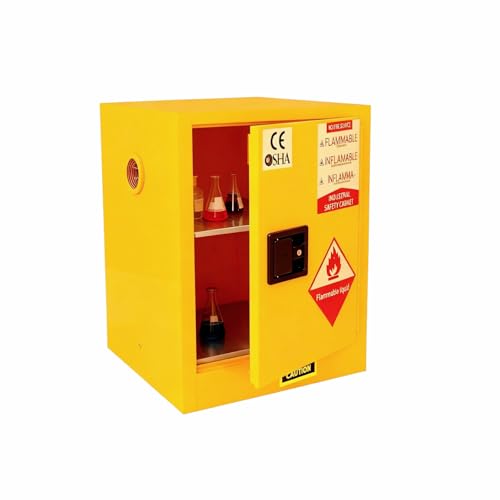
✅Flammable Storage Cabinet-The flammable liquid storage cabinet is a hazardous storage cabinet with adjustable Shelf. fireproof cabinet can store different flammable liquids, such as alcohol, glue, gasoline, banana oil, other liquids and chemicals.
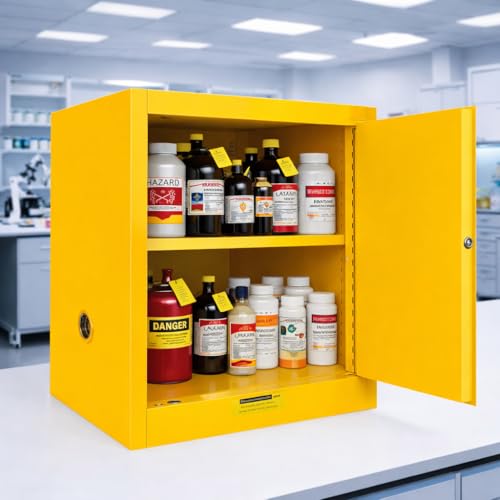
🔒【FIREPROOF STRUCTURE】The flammable cabinet is made of 2mm double-layer cold-rolled steel plate, and the interior is filled with special fireproof material with good fireproof performance.

Heavy-Duty Fire Cabinet Construction: This fire cabinet is made from heavy-duty cold-rolled galvanized steel with a fully welded structure, offering excellent durability and corrosion resistance. The rugged design helps safely store hazardous liquids and provides reliable protection in demanding industrial environments
How to Label, Maintain, and Stay Compliant
Fire‑resistant construction and self‑closing doors keep hazards contained, but the next step is ensuring every cabinet and its contents are clearly labeled, regularly inspected, and compliant with regulations. Start with label design that meets AS 1940‑2017, AS/NZS 5026‑2012, or AS 4326‑2008: 250 mm side panels, Class 3 or Division 6.2 symbols, full chemical name, hazard warnings, manufacturer address, and SDS‑matching product identifier. Use color‑coded strips for quick class spotting, and add secondary‑container tags with transfer dates. Inspect weekly; replace faded labels, check expiration dates, and verify ventilation standards are met—ensure exhaust fans operate, filters are clean, and airflow matches cabinet rating. Segregate incompatibles, keep cabinets locked, and keep SDS sheets accessible to stay compliant. Material thickness significantly influences the cabinet’s structural integrity and resistance to impact. Prolonged exposure to direct sunlight can cause UV‑induced discoloration and weaken the plastic over time. Consider the door sealing system to prevent vapor escape and maintain fire resistance.
Decision Matrix: Pick Your Ideal Cabinet
If you want a cabinet that meets both safety and workflow needs, start by mapping each chemical’s primary hazard class to the appropriate storage group, then cross‑check compatibility charts to see which substances can share a shelf. Next, build a decision matrix that scores each cabinet type on capacity, fire‑rating, material, and door configuration. Assign weightings based on your budget matrix, then total the scores. Verify that the top‑ranked option satisfies regulatory compliance—OSHA, GHS, and local fire codes. Include secondary containment and ventilation in the matrix. Finally, run a risk assessment on the chosen layout, confirming that no oxidizer sits next to a flammable and that acids and bases stay separated, even within the same cabinet.

🔵 CORROSION-RESISTANT CONSTRUCTION--Specially engineered with corrosion-resistant materials and a chemical-resistant powder-coat finish to withstand exposure to acids, bases, and other corrosive chemicals. The distinctive blue color provides immediate hazard identification for corrosive materials in your facility.
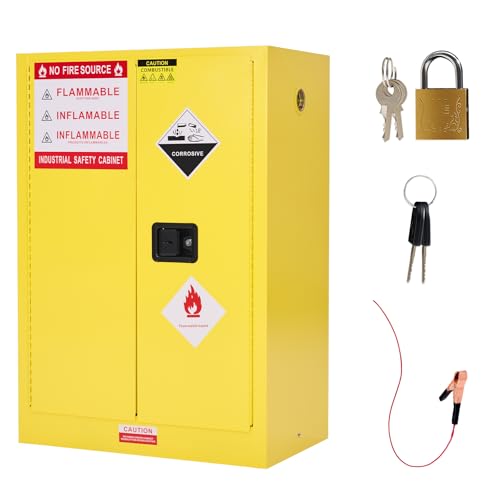
Chemical Storage: 44x31x18 in, 45 gal. Flammable safety cabinet is deal for storing flammable, explosive, and combustible liquid chemicals, ensuring safe management in laboratories and industrial environments

【12 GALLON FLAMMABLE CABINET】This 12 gallon flammable liquid safety cabinet is a yellow hazardous storage cabinet with a single manual closing door for storing safe cans containing up to 12 gallons of flammable liquid.